
What Makes a High-Quality Rolling Paper? 8 Factors Buyers Should Check Before Ordering
Aug. 20, 2026
09:49:55
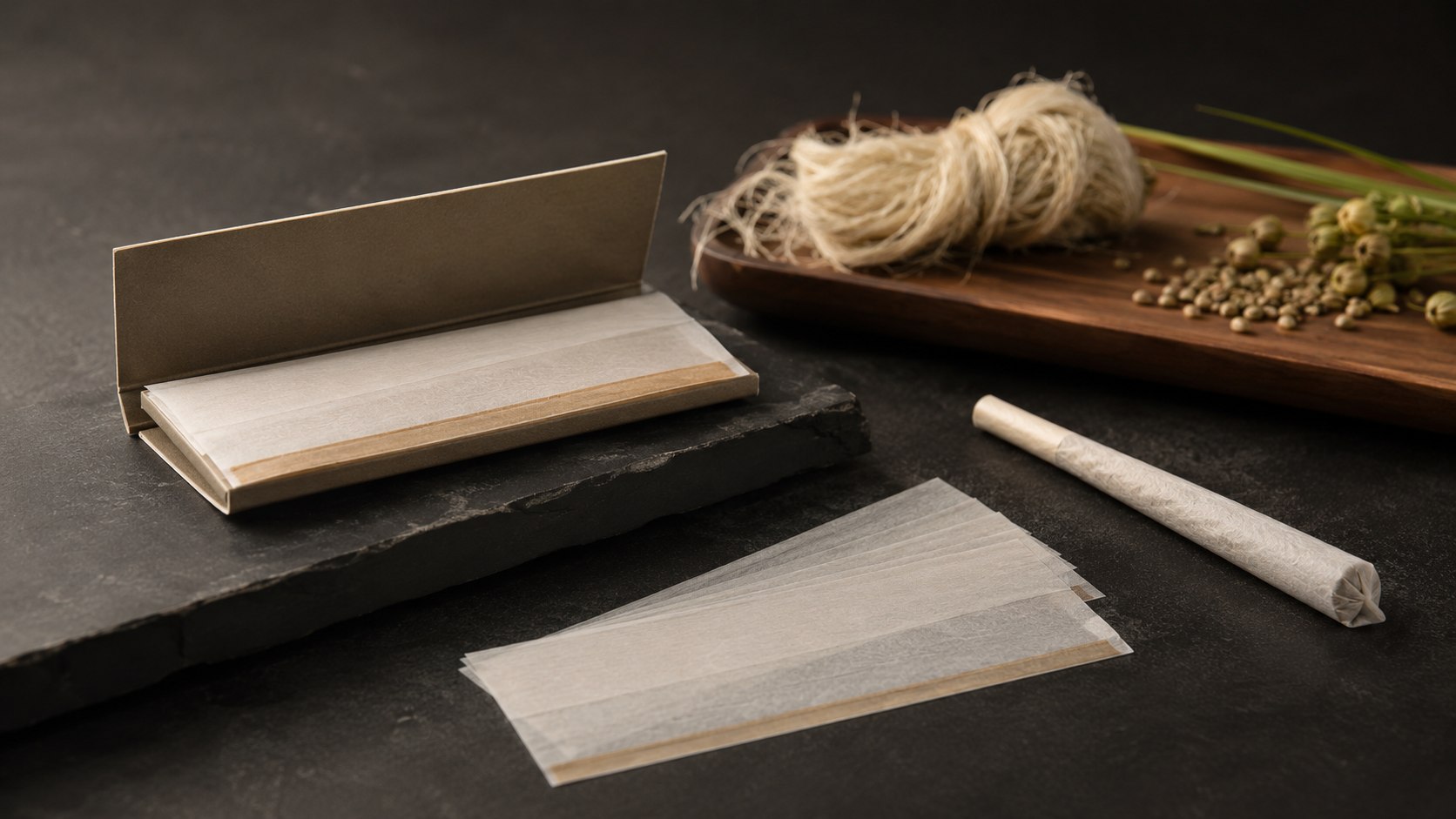
A rolling paper may look like a simple smoking accessory, but for wholesalers, distributors, and private label brands, small differences can create major differences in customer feedback. Paper material, burning behavior, adhesive performance, production consistency, and packaging quality all influence whether a product performs well after reaching the market. Before placing a bulk order, professional buyers need to look beyond appearance and understand what actually determines rolling paper quality and how to evaluate a supplier before cooperation.
What Paper Materials Should Buyers Consider When Choosing Rolling Paper?
The first thing experienced buyers usually check is not the design on the package, but the material behind the product. The paper itself determines many aspects of the final user experience, including burning speed, flexibility, thickness, and handling performance.
Different markets may prefer different paper materials:
- Rice paper: Often selected for lightweight rolling papers because of its thin structure and clean appearance.
- Hemp paper: Commonly considered by brands that want plant-based product positioning.
- Wood pulp paper: A widely used option because of its stable supply and consistent manufacturing process.
There is no single material that fits every market. A distributor selling premium smoking accessories may look for different characteristics compared with a retailer serving everyday users.
When reviewing samples, buyers can pay attention to several practical details:
| Check Point | Why It Matters |
|---|---|
| Paper texture | Affects handling experience and product perception |
| Material consistency | Prevents differences between production batches |
| Surface quality | Important for printing and branding |
| Paper strength | Reduces tearing problems during use |
A supplier should be able to explain the material selection instead of simply describing the product with general terms. Understanding why a specific paper type is used helps buyers match the product with their target customers.
How Does Rolling Paper Thickness Influence Product Performance?
Thickness is one of the criteria that are least considered by those who buy paper products. It is not unusual that people pay more attention to such qualities as the price and design of the product. However, it is also essential to consider its thickness and check this particular feature.
Therefore, a buyer should carefully consider what is more important to them – quality or a lower price. If they choose the last option, it is essential to pay attention to the thickness to ensure that it is not fragile.
A thicker paper usually provides easier handling and may be more suitable for customers who value convenience.
For bulk purchasing, it is worth confirming:
- Paper weight specification;
- Thickness tolerance;
- Burning characteristics;
- Resistance during packaging and transportation.
One of the most common errors that beginners make when purchasing wholesale is accepting a sample but failing to ensure that the same quality can be achieved on a much larger scale. A sample only represents a single production run – a large scale order requires greater consistency across thousands or even millions of products.
Before confirming an order, buyers can ask suppliers:
- Is the paper thickness controlled during production?
- How is consistency checked between batches?
- Can samples from different production runs be provided?
These questions reveal whether a supplier has a mature production process.
What Should Buyers Know About Rolling Paper Gum Quality?

The adhesive strip is a small component, but it has a direct impact on usability. If the gum line does not perform consistently, customers may experience difficulty during use, which can lead to negative feedback for retailers and brands.
A quality rolling paper gum line should have:
- Even application;
- Stable adhesion;
- Proper positioning;
- Good storage performance.
For international buyers, storage conditions, and transportation time are also essential. Products may be subject to varying levels of humidity during transit, making adhesive integrity a critical consideration.
When engaging with a supplier about production, a buyer can inquire:
- What type of gum is used?
- How is the gum amount controlled?
- Is adhesive performance checked before shipment?
- Does custom printing affect production quality?
For private label projects, gum performance should be tested together with the customized packaging because additional production steps can sometimes influence consistency.
How Can Buyers Check Rolling Paper Manufacturing Consistency Before Bulk Orders?
For wholesale purchasing, consistency is often more valuable than a single excellent sample. A customer who buys the same product twice expects the same experience each time.
Manufacturing consistency usually involves several areas:
Size Accuracy
Rolling papers need accurate dimensions. Small differences in length or width may affect packaging appearance and user experience.
Cutting Quality
Uneven cutting can create problems during use and reduce the professional appearance of the product.
Printing and Packaging Control
For branded products, packaging quality represents the brand directly. Issues such as unclear printing, incorrect colors, or damaged packaging can create unnecessary costs.
A practical supplier review checklist may include:
- Confirm product dimensions;
- Review sample quality;
- Check packaging details;
- Understand inspection procedures;
- Confirm production approval process.
For larger orders, many experienced buyers prefer suppliers that provide pre-production samples or final production confirmation before shipment. This step helps reduce misunderstandings between design expectations and finished products.
What Quality Control Information Should Buyers Request From Rolling Paper Suppliers?
Quality control is where buyers can separate experienced manufacturers from companies that only focus on selling products.
A professional supplier should have processes covering different production stages:
Material Inspection
Before production begins, incoming materials should be checked for consistency and suitability.
Production Monitoring
During manufacturing, important points include:
- Paper cutting;
- Gum application;
- Printing accuracy;
- Product cleanliness;
- Packaging condition.
Final Inspection
Before shipment, finished products should be checked against order requirements.
For international buyers, it is useful to understand:
| Question | Purpose |
|---|---|
| How are defective products handled? | Understand risk control |
| Are samples approved before production? | Prevent specification differences |
| Is final inspection completed before shipping? | Confirm shipment quality |
| Can production updates be provided? | Improve communication |
Price is only one part of purchasing decisions. A supplier with clear quality procedures can help buyers avoid problems that are more expensive than the initial product cost, such as customer complaints, returns, or delayed sales.
How Does Customization Capability Affect Rolling Paper Purchasing Decisions?
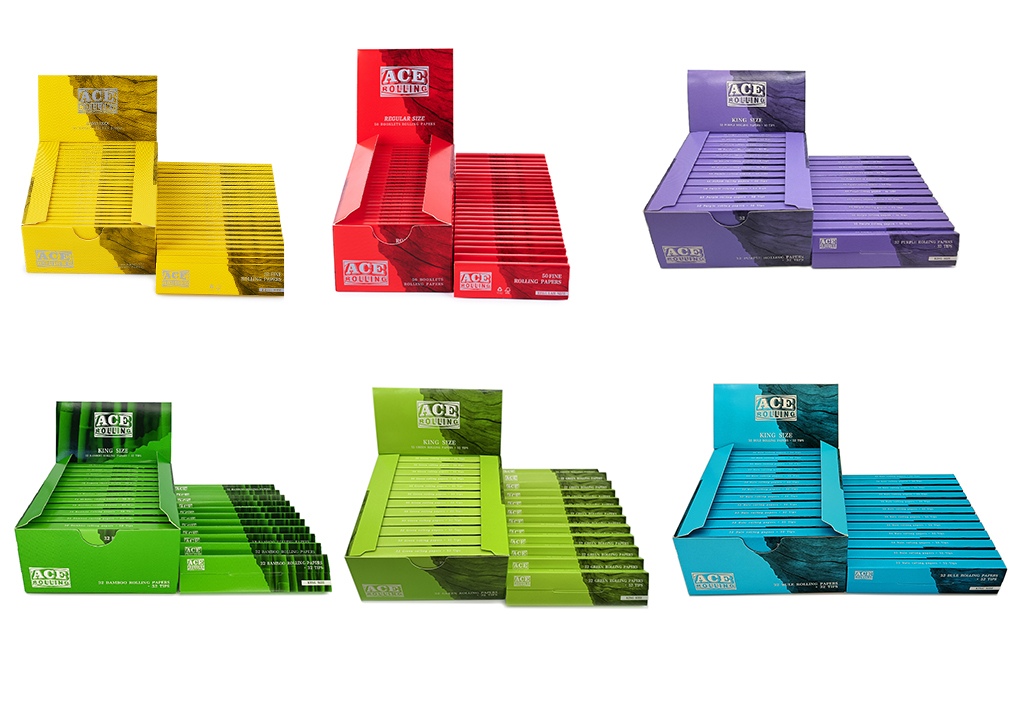
Many distributors and brands today are not only looking for standard products. They want packaging, designs, and product options that match their own market positioning.
Rolling paper customization may include:
- Private label packaging;
- Logo printing;
- Different sizes;
- Material selection;
- Customized quantities.
Before starting an OEM project, buyers should confirm:
- Minimum order quantity;
- Design requirements;
- Sample approval process;
- Production timeline;
- Packaging options.
Customization is not only about adding a logo. The supplier also needs to maintain product performance after introducing new designs or packaging requirements.
A capable manufacturing partner should balance customization flexibility with stable production quality.
How Can Businesses Select the Right Rolling Paper Supplier?
Choosing a rolling paper supplier requires looking at the complete purchasing process rather than only comparing unit prices.
Important evaluation points include:
- Product range;
- Manufacturing experience;
- Quality control system;
- OEM capability;
- Communication efficiency;
- Shipping support.
Bella420facto-smoking accessories co.,ltd., which has been engaged in the smoking accessories field for about ten years, can provide a wide range of smoking accessories products for foreign customers. The company can offer the oem service and organize the product inspection before shipment and logistics. Our company has different kinds of smoking accessories products to meet different customer’s needs and help them find the most suitable supplier.
Conclusion
The quality of rolling paper is not determined only by the material and design. When buying rolling papers wholesale, it is essential to pay attention to the structure of the product, its weight, adhesive properties, production standards, and other characteristics. It also matters who will be in charge of the manufacturing process and how professional their communication will be. The evaluation of such details allows choosing the best option for the buyer and reducing the risks of purchasing failure.
FAQs
1. What is the most important factor when choosing rolling paper for wholesale orders?
Material consistency is one of the key factors because it affects burning performance, handling experience, and product stability across different production batches.
2. Should buyers request samples before ordering customized rolling paper?
Yes. Samples allow buyers to check paper quality, printing results, gum performance, packaging, and whether the final product matches their expectations.
3. What information should buyers ask rolling paper suppliers before cooperation?
Buyers should ask about materials, specifications, MOQ, customization options, quality inspection procedures, production time, and shipping arrangements.
4. Does thinner rolling paper always mean better quality?
Not necessarily. Thickness should match the target market because different customers may prefer different balances between lightweight design and handling strength.
5. How can private label brands reduce rolling paper quality risks?
Private label brands can reduce risks by confirming samples, checking supplier production procedures, approving packaging designs, and maintaining clear communication throughout manufacturing.


HOT INVESTMENT IN ALL
REGIONS OF THE WORLD
REGIONS OF THE WORLD


