
How Should Wholesale Buyers Package Glass Bongs to Reduce Transit Damage and Retail Returns?
Sep. 23, 2026
00:00:45
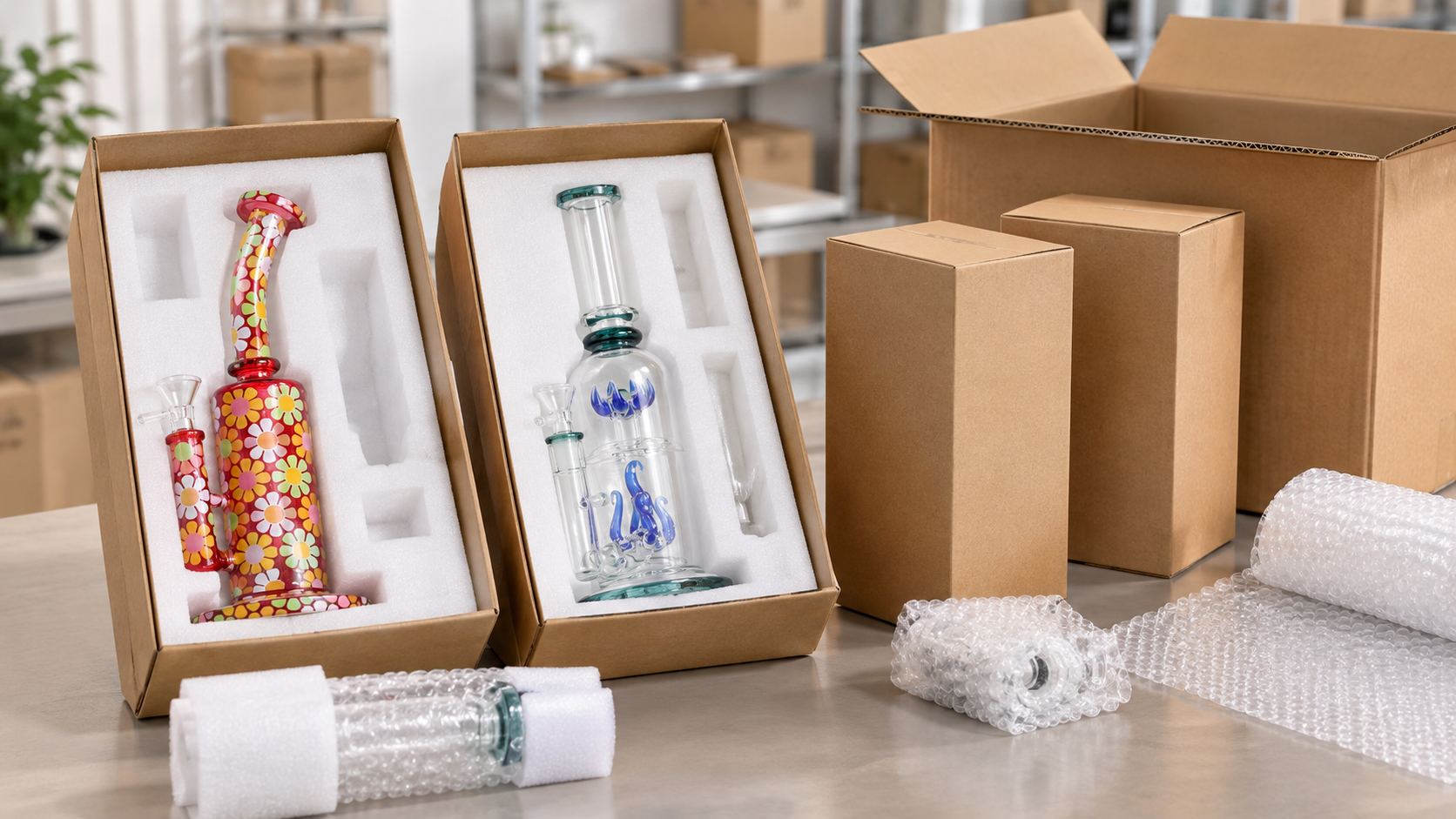
Glass bong packaging should be treated as part of the product specification, not as an afterthought. For purchasing managers, distributors, and smoke-shop buyers, the risk is simple: a bong can pass product inspection and still arrive damaged if the retail pack, inner protection, carton loading, or accessory placement is poorly defined. A workable packaging plan should protect the glass, control movement, preserve the retail presentation, and remain practical for warehousing. Buyers should therefore evaluate the packed sample, not only the bare bong, and record the approved packaging structure before bulk production.
What Packaging Information Should Buyers Confirm Before Comparing Quotations?
Price comparisons become unreliable when suppliers are quoting different packing arrangements. One unit may use an individual box, another a bubble bag, while a third includes extra accessories or custom retail packaging. Those differences affect carton volume, handling, and breakage exposure.
Start With the Finished Packed Unit
Record the bong dimensions, material, individual packaging method, units per carton, carton dimensions when available, and whether removable parts are packed separately. Published product data shows why this matters. One 6.3-inch high-borosilicate glass bong is listed with an individual box and 50 pieces per carton, while another cartoon glass bong page lists bubble-bag packaging and 16 pieces per carton. Those figures are SKU-specific and show why “glass bong packaging” should not be treated as one standard format.
| Packaging field | What purchasing should record |
|---|---|
| Unit protection | Individual box, bubble bag, or approved alternative |
| Product dimensions | Exact size of the selected SKU |
| Accessories | Included parts and how they are secured |
| Carton quantity | Units per master carton |
| Custom packaging | Whether a separate version is required |
| Reference | Approved packed sample or revision |
This table is useful only when quotations are compared against the same product and packing requirement.
How Should Buyers Evaluate Protection Around the Bong and Its Removable Parts?
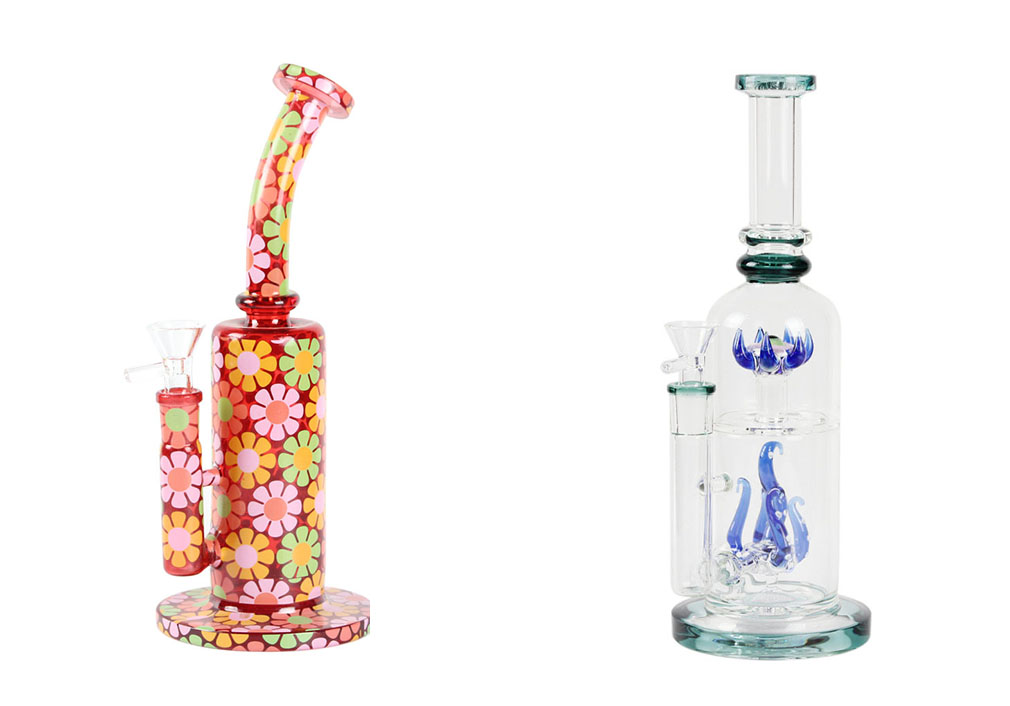
The most vulnerable areas are not always the largest glass surfaces. Joints, mouthpieces, bowls, decorative sections, and removable components can receive concentrated contact during handling, so an attractive outer box does not prove that the unit is well protected.
Check Movement Before Appearance
Open the packed sample and check whether the bong or accessories can shift noticeably. The goal is not to invent a universal drop-test standard, but to identify obvious internal movement and direct glass-to-glass contact before production.
If a bowl, downstem, or other removable part is included, confirm that it has its own protected position. Loose components can strike the main body while cartons are moved. Novelty shapes and protruding decorations may also need different support from a compact beaker.
Packaging should not allow free movement or put pressure on fragile projections. Open, repack, and handle the sample rather than judging only the unopened box.
How Do Carton Quantity and Product Shape Affect Shipping Risk?
Master-carton planning is more than a logistics calculation. A compact bong packed in an individual box has a different loading pattern from a larger novelty piece, so carton quantity should never be copied from another SKU without checking the finished pack.
Compare Carton Data at SKU Level
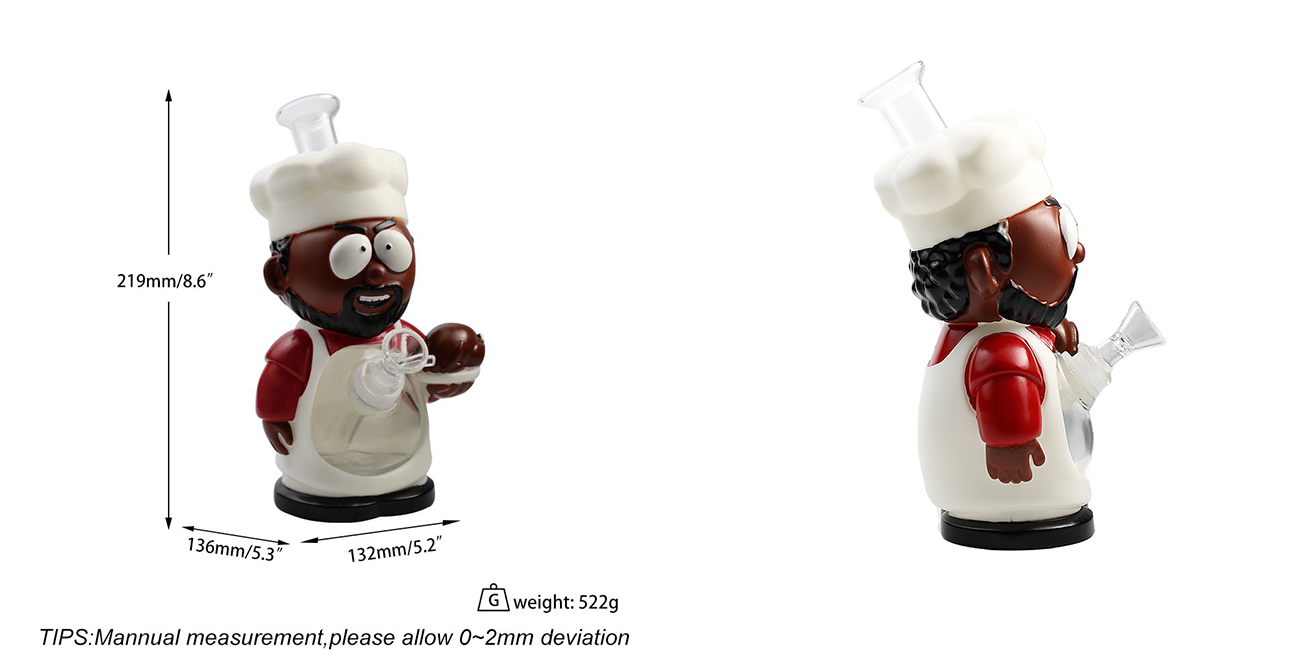
The 6.3-inch bong currently published on the company website is listed at 50 pieces per carton with individual-box packaging. The H529 cartoon bong page lists 16 pieces per carton and publishes an item size of 219 × 132 mm together with a carton size of 51.5 × 51.5 × 28 cm. These are product-specific parameters, not category standards.
A lower carton count does not automatically mean inefficient packing; the product may occupy more space or need different protection. Inspect one complete master carton, confirm the count, check pack stability, and verify carton markings against the purchase order. If a custom box changes unit dimensions, confirm the carton configuration again.
What Should Quality Teams Inspect Before Glass Bong Shipments Are Released?
Packaging inspection should take place before shipment release to confirm that bulk goods still match the approved sample, components, and carton loading.
Inspect the Product and Package Together
Review several units from more than one carton. Check the glass for visible cracks or major defects, then inspect base stability, removable-part fit, package condition, accessory count, carton quantity, and artwork where custom boxes are involved.
A practical checklist can include:
- Product matches the approved SKU and material specification
- Individual protection matches the packed sample
- Removable parts are secured as agreed
- No obvious glass-to-glass contact occurs inside the pack
- Retail packaging is correctly assembled
- Required accessories are present
- Carton quantity matches the purchase order
- Custom artwork matches the approved version
- Packed sample is retained for repeat orders
The retained sample prevents “same packaging as last time” from becoming ambiguous when artwork, inserts, or accessory arrangements change.
How Can Buyers Balance Protection, Retail Presentation, and Custom Packaging?
Wholesale packaging has to solve two problems at once. It must protect a fragile item through handling and transport, while often arriving in a form suitable for retail display. Those goals can conflict when appearance is finalized before the packed structure is tested.
Approve Custom Packaging After Product Dimensions Are Fixed
Do not finalize a branded box before the physical SKU and included parts are confirmed. A change in bong height, decorative profile, or accessory count can make an earlier package layout unsuitable. A safer sequence is product approval, packed-sample approval, artwork confirmation, then bulk production.
Buyers should also ask whether custom packaging changes carton quantity. A new branded box needs item-level approval whenever it changes internal space or component placement. Retail presentation matters only after protection has been demonstrated; the practical target is a repeatable pack that protects the agreed SKU and suits the sales channel.
Need Help Matching Glass Bong Packaging to Wholesale Orders?
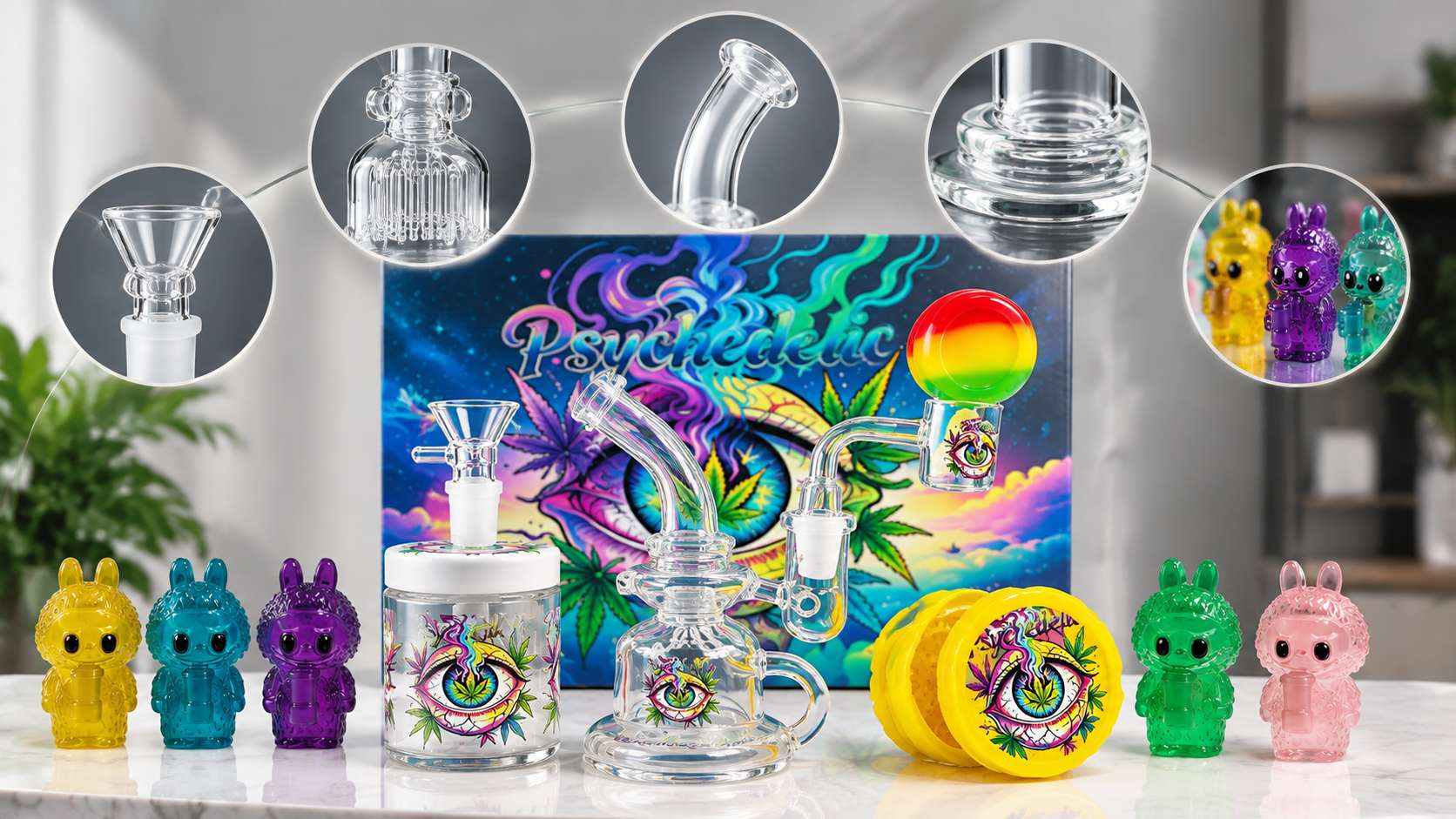
Once product shape, pack structure, carton quantity, and inspection points are clear, buyers can compare available items against a defined purchasing brief. Bella420facto-smoking accessories co.,ltd. lists glass pipes, bongs, and bong sets, while its OEM and shipment support covers small-order customization, shipment coordination, and after-sales handling for broken goods. One published Labubu Glass Bong 6.3inch uses high borosilicate glass, measures 6.3 inches, and is packed in an individual box at 50 pieces per carton. A separate H529 Cartoon Glass Smoking Bong page lists PVC and glass construction, bubble-bag packing, 16 pieces per carton, and published carton dimensions. These SKU-level differences provide a concrete basis for discussing packaging rather than assuming one format applies across the category.
Conclusion
Glass bong packaging should be approved with the same care as material, dimensions, and construction because the commercial product is the packed unit that reaches the buyer’s warehouse. Purchasing teams should compare packing methods at SKU level, check how removable parts are secured, review one complete carton, and retain the approved packed sample. The packaging method, carton quantity, accessory arrangement, and artwork revision should then be written into the purchase specification so final inspection uses the same reference.
FAQs
1. What packaging details should a glass bong buyer include in an RFQ?
Include the exact SKU, product dimensions, individual packaging method, included accessories, carton quantity, custom-box requirement, and any available carton dimensions. This makes quotations easier to compare on the same basis.
2. Is an individual box always better than bubble-bag packaging?
Not automatically. The appropriate method depends on product shape, removable parts, retail presentation, and carton arrangement. Buyers should approve the actual packed sample rather than judge the package type by name.
3. Why should removable bong parts be checked separately during packing?
Bowls, downstems, and other loose components can contact the main glass body during handling if they are not secured. Their position and protection should therefore be included in packed-sample inspection.
4. Should carton quantity be copied from a similar glass bong?
No. Carton quantity is SKU-specific. Product dimensions, shape, accessories, and individual packaging can change how many units fit safely into a master carton.
5. What should buyers keep after approving a glass bong shipment?
Keep the approved product sample, packed sample, artwork revision, carton configuration, and inspection notes. Together, these records provide a clearer reference for final checks and repeat orders.
HOT INVESTMENT IN ALL
REGIONS OF THE WORLD
REGIONS OF THE WORLD


