
10 Questions Every Importer Should Ask Before Buying Rolling Papers from China
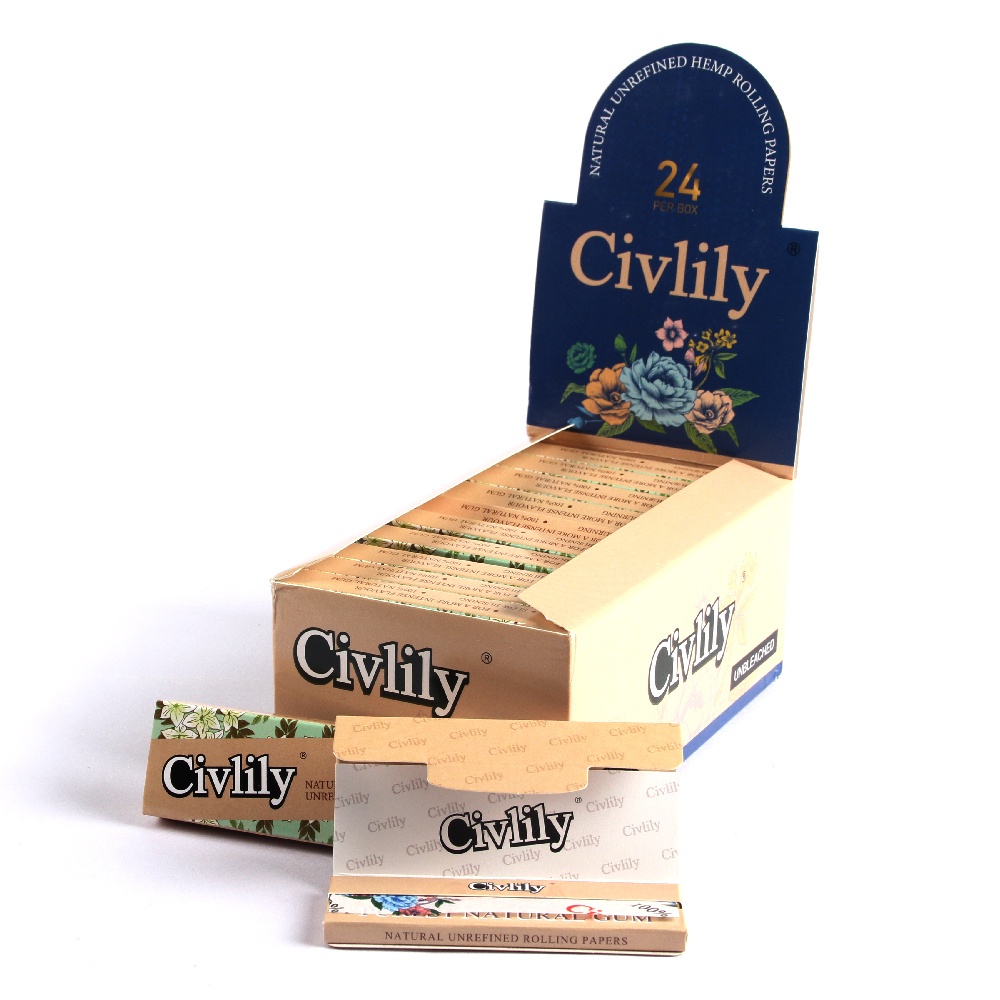
In selecting a rolling paper supplier for your business, there is much more to consider than price alone for importers, distributors, and brands venturing into the rolling paper industry. The consistency of the product, its specifications, packaging options, customisation possibilities, and delivery are all part of the equation. An ideal rolling paper supplier should be able to give you information on the product, offer you consistent production, and support you during the whole sourcing process.
What should importers know before choosing a rolling paper supplier?
Before placing a wholesale order, buyers need to understand whether a supplier can support their product goals. Many sourcing problems happen because important details are not confirmed at the beginning.
Does the supplier understand your target product requirements?
A professional supplier should be capable of talking about something other than the size and number of pages. Customers may wish to know the kind of paper, its dimensions, booklet layout, packaging, printing, and positioning in the market.
For instance, a company producing high-end products would place emphasis on the appearance of paper, packaging, and design. A distributor purchasing bulk rolling papers would care more about steady supply, prices, and ordering process.
The more precise the requirements are, the simpler it is to understand whether the cooperation will work out or not.
What information should buyers prepare before requesting a quotation?
Normally, a detailed research results in a much accurate quotation. Before approaching the suppliers, the buyers need to prepare all relevant information regarding the product, including the type of paper required, the type of packaging preferred, quantity, any customizations desired, and also the delivery schedule.
Otherwise, suppliers will be limited to supply the products according to their standard.
How should buyers evaluate rolling paper materials and specifications?
Material selection directly affects the final product experience. A buyer should review technical details before deciding only based on appearance or price.
Which paper characteristics should be compared?
Rolling papers can differ in thickness, texture, color, size, and overall handling characteristics. These differences influence how the product feels and how it is positioned in the market.
When comparing products, buyers usually review:
| Item | Why It Matters |
|---|---|
| Paper type | Affects product positioning and user preference |
| Thickness | Influences handling and appearance |
| Sheet size | Determines product format |
| Gum line | Affects booklet usability |
| Printing quality | Influences brand presentation |
The suitable specification depends on the target customers and sales channel. A product designed for one market segment may not match another.
Why should buyers request samples before bulk production?
Physical samples provide information that cannot be confirmed through pictures or digital files. Buyers can review the paper feel, printing accuracy, booklet structure, packaging quality, and overall product presentation.
Sample approval is especially important for OEM rolling papers because customized products involve more variables. Once the sample is confirmed, it can serve as the reference for future production.
What customization options are available for OEM rolling papers?
Customization is one of the main reasons brands work with manufacturers instead of purchasing standard products.
How does the OEM rolling papers process usually work?
The OEM process normally starts with product discussion and specification confirmation. After the buyer provides design requirements, the supplier may prepare samples for review before moving to mass production.
The process usually involves:
- Product specification confirmation;
- Artwork review;
- Sample development;
- Buyer approval;
- Production;
- Quality inspection;
- Packaging and shipment.
Each stage requires clear communication. Changes made after production starts may affect cost and delivery time.
What can brands customize besides the logo?
Many buyers focus only on branding, but customization may involve multiple product elements. Depending on supplier capability, buyers may discuss booklet design, printed packaging, paper format, sheet quantity, and other appearance-related details.
However, deeper customization may require higher order quantities or longer preparation time. Buyers should confirm these requirements before finalizing the project.
How can buyers compare different rolling paper manufacturers in China?
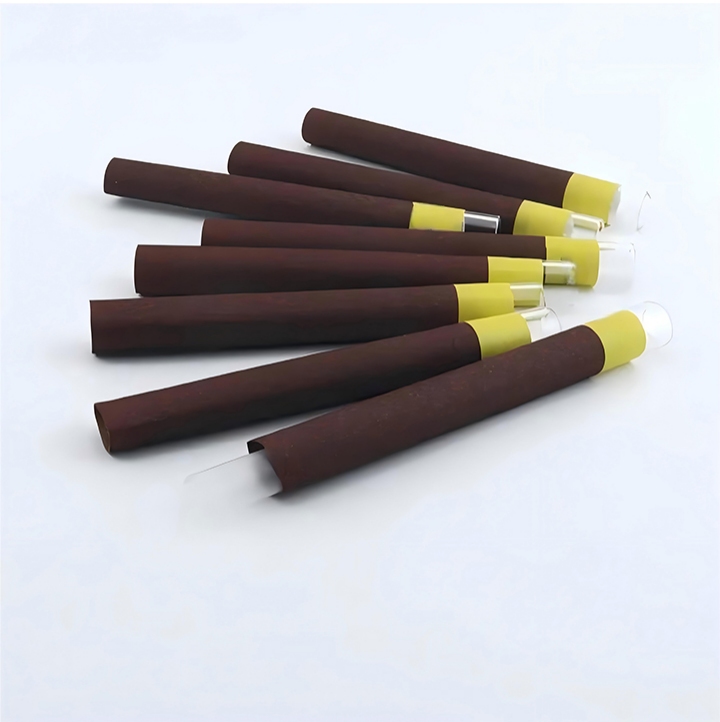
Price is important, but it should not be the only factor when selecting a manufacturing partner.
What production capabilities should a rolling paper manufacturer have?
An appropriate producer should be able to describe how their product is produced, inspected, customized and delivered.
Buyers should think about if the producer can provide the products in the consistent manner in subsequent orders. It is very crucial for brands who will re-order their product after market testing.
Producers with well-defined production procedures can minimize any possible inconsistencies between samples and orders.
Why is communication important during international sourcing?
Many aspects are included in international orders such as artwork approval, packing specifications, shipment details, and production updates.
Clear communication with suppliers can help buyers detect problems beforehand. In particular, confirming packing specifications prior to production can avoid problems during transportation or in the warehouse.
Good communication will not eliminate all the problems; however, it will make problem resolution easier for both parties.
What quality checks should buyers complete before ordering wholesale rolling papers?
Quality control is a key part of long-term sourcing because customers expect consistent products from each purchase.
Which production details should buyers inspect?
Before the dispatch of the goods to the buyer, the latter may view certain aspects of the products, including printing, cutting, folding, packing, and order volume.
When dealing with customized products, the products must be compared against the approved sample and specifications.
A slight difference in packing and printing can impact the branding process of the products, particularly those that are marketed through retail channels.
How can buyers reduce risks in large orders?
A practical approach is to confirm all important details before mass production begins. This includes specifications, artwork, packaging, quantity, delivery schedule, and inspection requirements.
Clear documentation helps avoid relying on informal communication and provides a reference if questions appear later.
How do MOQ and delivery affect rolling paper sourcing decisions?
Cost planning is an important part of importing products from China, especially for new brands.
Why does MOQ matter for wholesale rolling papers?
Minimum Order Quantity or MOQ impacts inventory management and initial investment. For custom products, the MOQ varies according to material, printing, packaging, and manufacturing considerations.
It is imperative for buyers to ascertain the MOQ for one design or one format of a product or the order quantity before placing an order.
The right MOQ helps brands to manage both customization and inventory risks.
What delivery factors should importers confirm?
Factors that affect delivery include product manufacturing, sample approval, production schedule, packaging, and shipping.
Ordering must take into account the timeline, particularly if the products have to coincide with promotions or launches.
An achievable production schedule is better than an unachievable promise of faster delivery.
How can buyers choose a reliable OEM rolling papers partner for long-term cooperation?
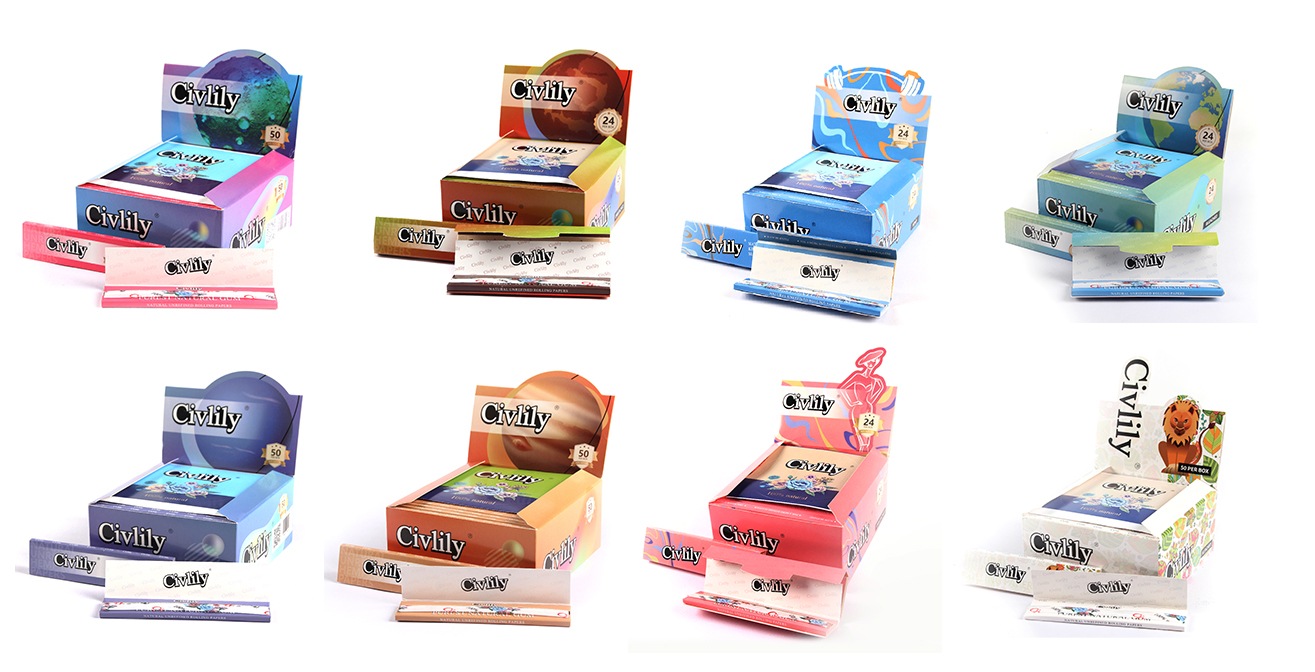
Selecting a supplier is not only about completing one order. Many brands need a partner that can support future product updates and repeat purchases.
What questions should buyers ask before cooperation?
Before choosing a supplier, buyers should confirm:
- Product specifications;
- Customization options;
- Sample process;
- Production lead time;
- Quality inspection;
- Packaging support;
- Communication process.
These questions help buyers understand whether the supplier can meet both current and future requirements.
Why should buyers evaluate supplier support after delivery?
The relationship does not end when products are shipped. Future orders may involve updated packaging, new designs, or adjusted quantities.
A supplier that maintains clear records and responds effectively can make repeat sourcing easier.
How can Bella420facto-smoking accessories co.,ltd. support rolling paper sourcing projects?
Bella420facto-smoking accessories co.,ltd. provides rolling paper products and manufacturing support for buyers developing branded and customized rolling paper projects. The company can assist with product specifications, OEM rolling papers development, packaging coordination, and production communication based on buyer requirements. In case of importers and brand holders, supplier cooperation may comprise verification of paper formats, customization issues, quantity of orders, and delivery options. However, buyers should compare samples, products’ description, prices, delivery conditions, and services before making their choice.
Conclusion
The selection process for a supplier of rolling papers calls for an assessment of the specific information regarding the product details, customization options, production, and deliveries. Consumers must examine all materials, samples, specifications, and the way of communication of the supplier before ordering products wholesale. Cooperation of the brand and the manufacturer on OEM rolling papers must be transparent at all stages. The choice must be made on the basis of the product needs and business cooperation.
FAQs
1. What should I check before choosing a rolling paper supplier?
Buyers should review product specifications, sample quality, customization options, MOQ, production process, packaging, delivery schedule, and supplier communication.
2. What is the difference between OEM rolling papers and standard rolling papers?
OEM rolling papers are developed according to a buyer’s requirements, such as branding, packaging, and product specifications, while standard products usually follow existing designs.
3. How can I verify a rolling paper manufacturer before ordering?
Buyers can review samples, production information, quality control procedures, customization capability, and communication during the sourcing process.
4. What affects the price of wholesale rolling papers?
Pricing depends on paper specifications, order quantity, customization requirements, packaging, and production arrangements.
5. Can a rolling paper supplier help with custom packaging?
Many suppliers can support packaging customization, including booklet design, printed materials, and retail packaging options depending on project requirements.
REGIONS OF THE WORLD


