
How to Launch Your Own Rolling Paper Brand: The Complete OEM Guide for 2026

Rolling papers business seems easy at the beginning – select a paper, design a booklet, place your goods on the shelves, and start marketing. However, in most cases, difficulties occur much sooner – during materials selection, sizing, packaging design, samples approval, and production planning. At the same time, you need to think about minimum order quantity, lead time, print quality, cooperation with the supplier, and regulation in your target market. Co-working with the OEM rolling papers supplier may speed up the development process only in case if you are prepared enough for that.
Which Product Decisions Should Be Made Before Contacting a Rolling Paper Manufacturer?
A supplier can recommend options, but the brand owner still needs to define the product direction. Vague requests such as “premium paper” or “natural style” are difficult to quote accurately and often lead to repeated sampling.
What paper characteristics affect the final product?
Rolling paper is influenced by more than its color or printed logo. Buyers normally compare paper thickness, texture, porosity, gum line, sheet size, and burn characteristics before approving a product. These details affect handling and customer perception, so they should be discussed as a complete specification rather than as separate marketing claims.
Paper thickness is a good example. A thinner sheet may feel more refined, but it can also require greater control during production, cutting, and packing. A thicker sheet may be easier for some users to handle, yet it creates a different product position. The suitable option depends on the intended customer, sales channel, and price level.
Which sizes and formats should a new brand launch first?
Many first-time buyers try to launch too many variations at once. That creates additional artwork, packaging, inventory, and quality-control work before the brand has confirmed which products will actually sell.
How Does the OEM Rolling Papers Development Process Work?
Private label rolling papers are rarely produced from one file and one conversation. The process moves through specification, artwork, sampling, approval, production, packing, and shipment, with several decisions made along the way.
What information should a buyer provide at the quotation stage?
The table below shows the information that usually prevents unnecessary revisions:
| Project Item | Details to Confirm |
| Paper | Type, thickness, appearance, texture |
| Format | Sheet size, sheet count, booklet style |
| Gum | Gum line position and specification |
| Branding | Logo, colors, artwork, surface finish |
| Packing | Inner box, display box, master carton |
| Order | MOQ, sample quantity, target delivery date |
Why is sample approval more important than a digital mockup?
A digital rendering can show layout and color placement, but it cannot show paper feel, booklet stiffness, gum application, cutting accuracy, or opening behavior. Those details become clear only when the buyer handles a physical sample.
During sample review, experienced buyers do not look at the logo alone. They open and close the booklet several times, remove sheets from different positions, inspect the edges, compare print registration, and check whether the inner and outer packaging fit correctly. The approved sample then becomes the production reference. Without that reference, later disagreements are harder to resolve.
What Should Buyers Compare When Choosing Private Label Rolling Papers?
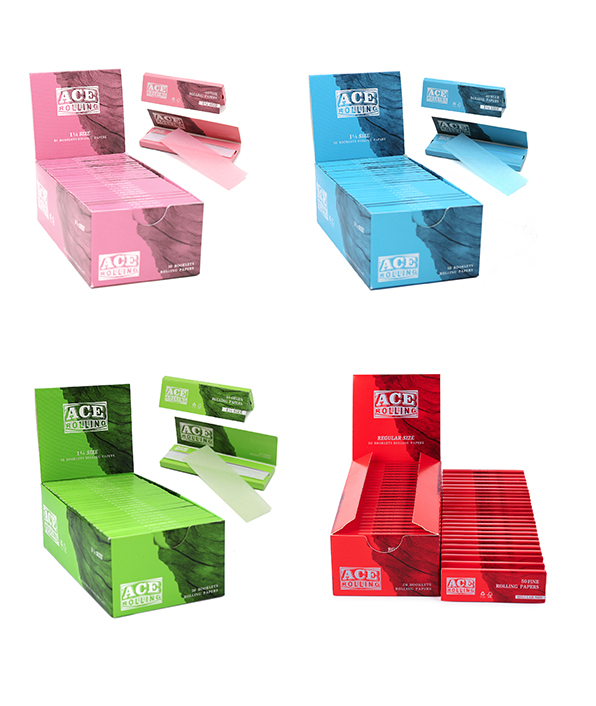
Two quotations may appear similar while covering different materials, packaging structures, or inspection standards. A lower price is only meaningful when the specifications are genuinely comparable.
How do MOQ and customization affect cost?
Custom rolling papers usually involve several production components: paper conversion, printing, booklet assembly, inner packing, and export cartons. A low quantity may be possible for some standard formats, but deeper customization can increase setup work and material requirements.
Brand owners should ask whether the MOQ applies to one design, one size, one paper option, or the whole order. This distinction affects inventory planning. For example, combining several designs into one total quantity may not be possible if each design requires a separate production setup.
It is also worth separating development cost from unit cost. A custom print plate, special finish, or nonstandard package may raise the first order cost but have less impact on repeat orders. The quotation should explain these items clearly.
How Can a Brand Protect Quality During Mass Production?
The first sample is important, but production consistency determines whether the commercial order matches what was approved. Quality checks should focus on the finished retail unit, not only the paper material.
Which defects are most likely to create customer complaints?
Common problems include uneven cutting, sheets sticking together, inconsistent gum application, inaccurate folding, color variation, weak booklet assembly, and damaged retail boxes. None of these issues necessarily looks serious during a quick inspection, yet they can make the product feel poorly made once customers begin using it.
A practical inspection normally checks random units from several cartons rather than taking samples from one location. The buyer or inspection team should compare the finished booklets with the approved sample and order specification. Particular attention should be given to components that were customized, because they carry the greatest risk of variation.
What should be confirmed before the shipment leaves the factory?
Final confirmation should cover product quantity, carton markings, retail packing, master-carton strength, and the documents agreed during the order. The shipping method and storage conditions also deserve attention, since paper packaging can be affected by moisture or poor handling.
Order number, production date, artwork version, approved sample, and packaging specification help both sides trace a problem later. This is much more useful than relying on chat messages scattered across the development period.
How Should New Brands Approach Compliance and Market Claims?
Rolling paper rules vary by market, sales channel, and intended use. A supplier may provide product documents, but the brand owner remains responsible for checking what is required where the product will be sold.
Which documents should buyers request from the supplier?
The useful documents depend on the actual product and market. Buyers may request material specifications, packaging details, production information, or available test documents relevant to the supplied item. They should also confirm whether a document applies to the raw paper, the gum, the printed booklet, or the complete finished product.
These categories should not be treated as interchangeable. A factory document describes the supplier’s management system, while a material report concerns a particular input. A supplier declaration is not the same as independent product testing. Clear labeling of each document prevents it from being used for a purpose it does not support.
Why should product claims remain conservative?
Terms such as natural, organic, unbleached, slow-burning, or eco-friendly can carry specific meanings in some markets. They should not be printed simply because they are common in the category. The claim needs to match the actual material and the evidence available to the brand.
The same caution applies to packaging. If recycled content, recyclability, or material origin is mentioned, the buyer should ask what documentation supports that statement. Conservative wording may feel less promotional, but it reduces the risk of making claims that cannot be verified.
How Can Buyers Evaluate a Rolling Paper Manufacturer for Long-Term Cooperation?
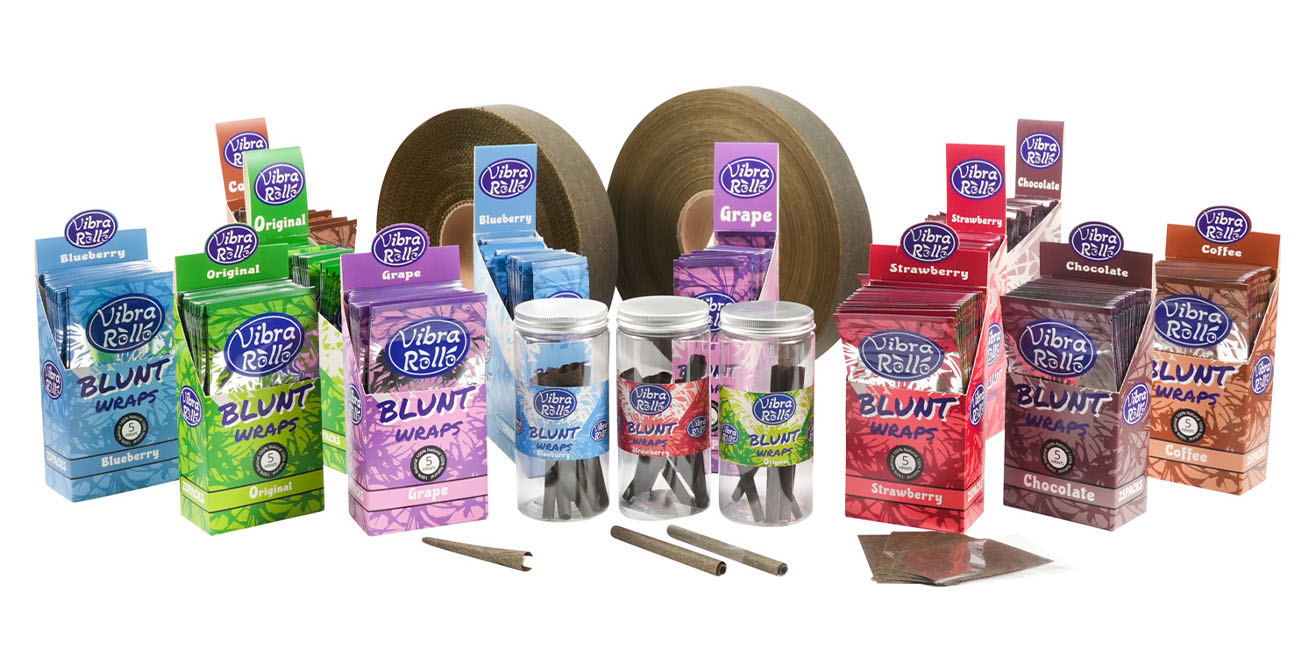
The first order tests product development. Repeat orders test the supplier’s production discipline, communication, and ability to maintain the same specification over time.
What matters beyond the first quotation?
A reliable rolling paper manufacturer should be able to explain material options, development limits, MOQ, sample timing, production lead time, packaging choices, and inspection procedures without avoiding difficult questions. Clear answers are often more useful than a large catalog.
Buyers should also ask how production changes are controlled. If a paper, gum, print finish, or packaging component becomes unavailable, the replacement should not be made without approval. Small substitutions can change the finished product, even when the supplier considers them technically equivalent.
How should a buyer judge communication and delivery reliability?
Fast replies are useful, but accuracy matters more. A supplier who confirms an unrealistic deadline may create greater problems than one who gives a longer but workable schedule. The better approach is to divide the project into artwork, sample, approval, production, inspection, and shipping stages, then agree on responsibility for each step.
How Can a Manufacturing Partner Support a New Rolling Paper Brand?
Bella420facto-smoking accessories co.,ltd. supports buyers developing OEM rolling papers, private label rolling papers, and related custom paper products. Its role may include discussing paper formats, booklet specifications, artwork requirements, sample development, packaging, and production arrangements. For new brands, this type of manufacturing support can help turn a product concept into a clearer commercial specification before bulk ordering. The company may also coordinate customization details and order communication for wholesale rolling papers projects. Buyers should still compare samples, material information, documentation, pricing, delivery terms, and service expectations before choosing a supplier.
Conclusion
Launching a custom rolling paper brand requires disciplined product planning rather than branding alone. Paper specification, booklet format, artwork, packaging, MOQ, quality checks, and market claims should all be settled before mass production. An OEM partner can support development, but the buyer still needs to approve samples and maintain a clear written specification. Conservative product claims and traceable documentation reduce avoidable commercial risk. The strongest private label rolling papers projects usually begin with a focused product range and a supplier capable of repeating it consistently.
FAQs
1. How much customization is possible with OEM rolling papers?
Customization may include paper type, sheet size, sheet count, booklet design, printing, inner boxes, display boxes, and master-carton markings. Available options depend on production capability, order volume, and the materials selected.
2. What should I send a rolling paper manufacturer for a quotation?
Send the required paper format, dimensions, sheet count, packaging structure, artwork, quantity, destination market, and preferred delivery schedule. A complete request produces a more accurate quotation.
3. Why does a private label rolling paper sample need physical approval?
A physical sample allows the buyer to check paper feel, cutting, gum placement, print registration, booklet operation, and packing quality. These details cannot be confirmed reliably from a digital mockup.
4. How does MOQ affect a new custom rolling papers brand?
MOQ affects inventory, cash flow, and the number of designs a brand can launch. Buyers should confirm whether the stated minimum applies per design, per size, or per paper specification.
5. What should be checked before ordering wholesale rolling papers?
Review the approved sample, written specification, packaging, order quantity, inspection method, production schedule, documents, and shipping terms. Claims printed on the product should also match the supporting information available.
REGIONS OF THE WORLD


