
Rolling Papers for Rolling Machines: What Should Wholesale Buyers Check for Compatibility?
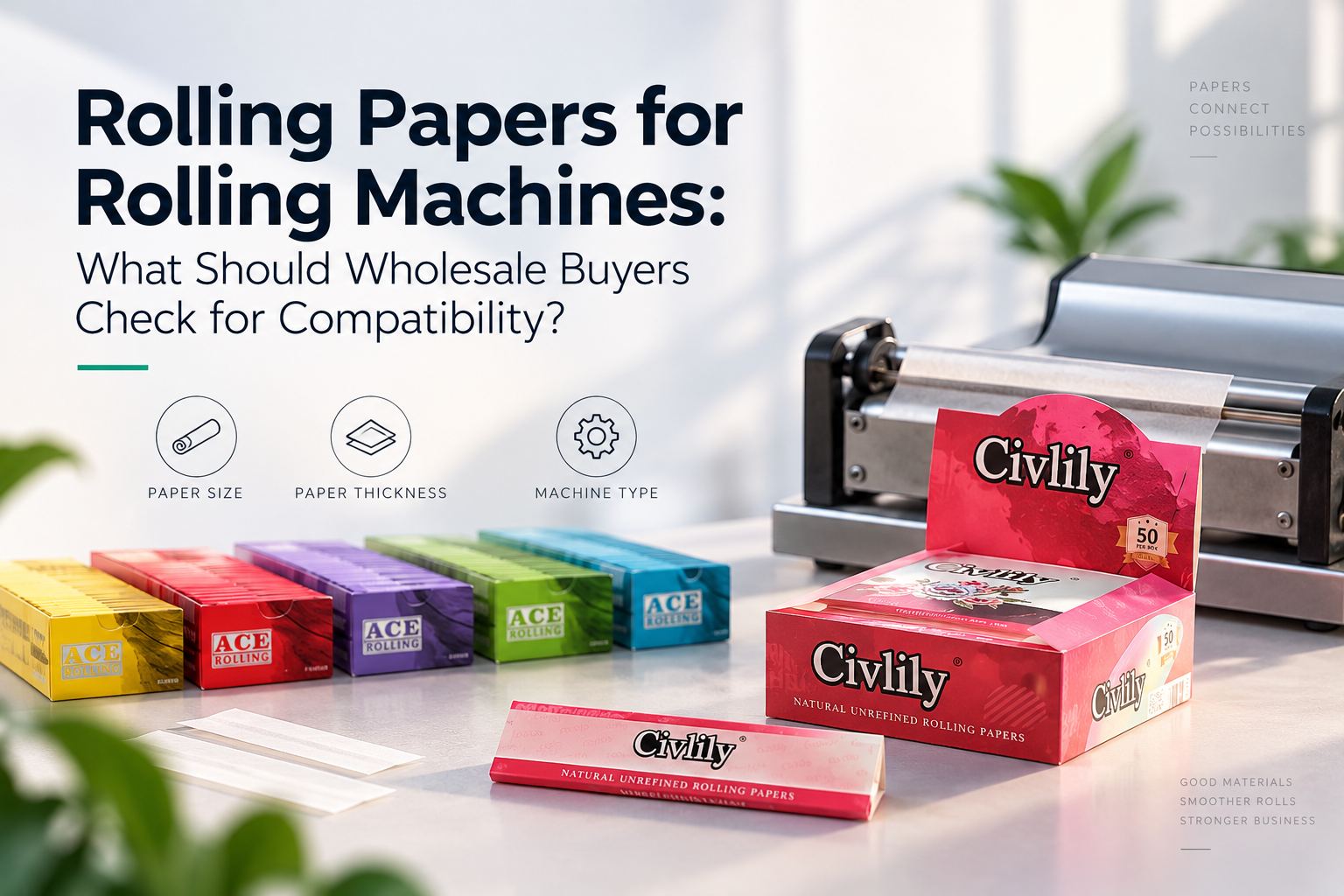
Rolling paper compatibility with a rolling machine depends on more than the size printed on the booklet. Paper dimensions, flexibility, surface condition, and the machine’s feeding mechanism can all affect whether a sheet moves through the equipment without folding, slipping, or tearing. For wholesalers and private-label brands selling rolling papers alongside rolling machines, a compatibility problem can create customer complaints even when both products meet their individual specifications. The purchasing task is therefore to confirm how the paper behaves in the intended equipment rather than assuming that a familiar size name guarantees a suitable fit.
1. Why Can Rolling Papers Work Differently in the Same Rolling Machine?
A rolling machine is designed around a particular paper-handling method. Some devices use a flexible apron to form a roll, while others employ guides, rollers, or a more controlled feeding mechanism. These differences determine how the paper enters the machine and how much resistance it encounters.
Paper Dimensions Are Only the Starting Point
The length and width of a sheet must match the machine’s operating format. Yet dimensional compatibility alone does not guarantee that the paper will feed correctly.
A sheet may fit inside the machine but still fold along one edge, wrinkle against a guide, or fail to move evenly through the rollers. The problem may come from the relationship between paper flexibility, surface characteristics, and the machine’s feeding mechanism.
For procurement teams, this means checking the actual sheet dimensions rather than relying on descriptions such as standard size or king size.
A distributor planning to stock several rolling paper formats should distinguish between products intended for manual handling and those that have been tested with a particular machine.
Why Does the Machine Type Matter?
Manual apron-style rollers and electrically operated equipment may apply different forces to the paper. Some electric cigarette machines are designed for filling manufactured tubes rather than processing flat rolling-paper sheets.
That distinction needs to be established before ordering. A flat paper booklet cannot automatically replace a cigarette tube or pre-rolled cone in equipment designed for a different consumable.
The supplier’s machine instructions and an actual compatibility test should determine which paper format is acceptable.

2. How Do Paper Weight and Flexibility Affect Machine Feeding?
Two sheets with identical dimensions can behave differently during mechanical handling. Paper weight provides part of the explanation, but flexibility, surface finish, and the direction in which the sheet bends also influence feeding.
For purchasing managers, the relevant question is whether the selected paper can travel through the intended machine consistently without visible damage.
Why Is Paper Flexibility Worth Checking?
A relatively stiff sheet may resist bending around a narrow roller or guide. A very delicate sheet may be more susceptible to creasing or tearing when the feeding mechanism applies uneven pressure.
Neither behavior can be predicted from GSM alone.
Paper weight measures mass per unit area, while mechanical response also depends on fiber structure and manufacturing conditions. Two papers with the same nominal GSM may therefore differ in flexibility.
During sampling, compare the proposed paper with a sheet already known to work in the target machine. Keep the machine settings unchanged so that differences in paper behavior are easier to identify.
The sample evaluation should cover four areas:
1. Sheet flexibility: Observe whether the paper bends without visible damage. This helps assess whether the sheet can move through the machine’s feeding mechanism.
2. Surface condition: Check for wrinkles, curling, or irregular areas that could interfere with sheet movement.
3. Paper strength: Record whether the sheet tears during normal machine handling. Repeated tearing may indicate a compatibility problem that requires further investigation.
4. Feeding consistency: Observe whether several sheets follow the same path through the equipment. Consistent feeding provides a clearer basis for approving the selected specification.
The purpose of this comparison is not to establish a universal paper specification. It is to determine whether the selected material works with the equipment used by the target customer.
3. What Feeding Problems Should Buyers Look for During Sample Testing?
A sample that passes through a machine once has not necessarily demonstrated repeatable compatibility. Feeding problems may appear only after several sheets have been processed, particularly when individual sheets vary slightly in flatness or surface condition.
A short, controlled test can reveal these issues before a larger purchasing decision is made.
Distinguish Paper Problems From Machine Problems
If a sheet wrinkles or tears, it is tempting to attribute the problem immediately to poor paper quality. However, the machine may be using the wrong guide position, operating setting, or consumable format.
Before rejecting a paper sample, confirm that the equipment is maintained and configured according to its instructions.
The following observations can help separate possible causes:
1. Paper folds near the edge: Check sheet alignment and the position of the feeding guides.
2. Paper slips during feeding: Examine the paper’s surface condition and its contact with the rollers.
3. Sheets enter unevenly: Check paper flatness and the machine’s feeding mechanism.
4. Paper tears repeatedly: Investigate mechanical pressure and paper strength.
5. Machine rejects the sheet: Confirm that the consumable type and dimensions match the equipment requirements.
These are diagnostic starting points, not confirmed causes. A consistent failure needs to be investigated using the actual machine and sample.
How Should a Compatibility Trial Be Recorded?
Use the same machine, operating conditions, and paper-handling procedure for each candidate sample. Record the paper specification, machine model, observed defects, and whether the result is repeatable.
Photographs of damaged or incorrectly fed sheets can be useful when discussing a problem with the supplier.
Where possible, repeat the trial using samples from another production lot. This helps determine whether the behavior is associated with the selected specification or an isolated sample.
4. How Can Retailers and Distributors Avoid Selling Incompatible Paper and Machine Combinations?
Compatibility becomes a commercial issue when customers purchase a machine and paper as related accessories.
A retailer may stock several sizes of rolling papers, pre-rolled cones, cigarette tubes, and rolling machines. These products are not necessarily interchangeable, even when their packaging uses similar size descriptions.
Build Product Information Around Actual Equipment Requirements
Retail product descriptions should distinguish between paper intended for manual rolling, flat-paper rolling machines, and equipment that requires manufactured tubes or cones.
Where a product has been tested with a specific machine, record the relevant machine model and paper specification. Avoid extending the compatibility claim to an entire machine category without supporting tests.
A buyer reviewing the wider smoking accessories product range should therefore treat machine compatibility as a product-matching requirement, not simply a matter of selecting accessories from the same category.
For bundled retail products, test the exact combination intended for sale.
What Should a Wholesale Compatibility Record Include?
A useful record should identify the machine, the paper sample, and the conditions under which compatibility was checked.
The purchasing file should include the following information:
- Machine manufacturer and model
- Accepted consumable type
- Paper length and width
- Paper material and specification
- Relevant machine settings
- Sample identification
- Observed feeding problems
- Final compatibility approval
This record also helps customer-service teams respond when a retailer reports that a particular paper does not work with a machine.
5. What Should Buyers Confirm Before Ordering Rolling Papers for Machine Use?
Once a paper has demonstrated compatibility, the purchasing specification should preserve the characteristics associated with the approved sample.
The objective is to avoid an unexpected material or production change that alters how the paper behaves in the target machine.
Keep the Approved Paper and Machine Combination Traceable
The purchase order should identify the paper specification and the reference sample used during testing. Where equipment compatibility is a contractual requirement, record the exact machine model rather than using a general statement such as “suitable for rolling machines.”
A supplier may offer several papers with similar dimensions but different materials or construction. A replacement paper should not automatically inherit the compatibility approval of the original sample.
For repeat orders, the buyer should confirm whether the material, dimensions, and production specification remain unchanged.
When reviewing OEM customization requirements , machine compatibility should be discussed before approving a different paper material or production specification.
The final purchasing decision should be based on an approved combination of paper and equipment rather than an assumption drawn from the product name.
Need Help Matching Rolling Paper Specifications to Your Product Range?
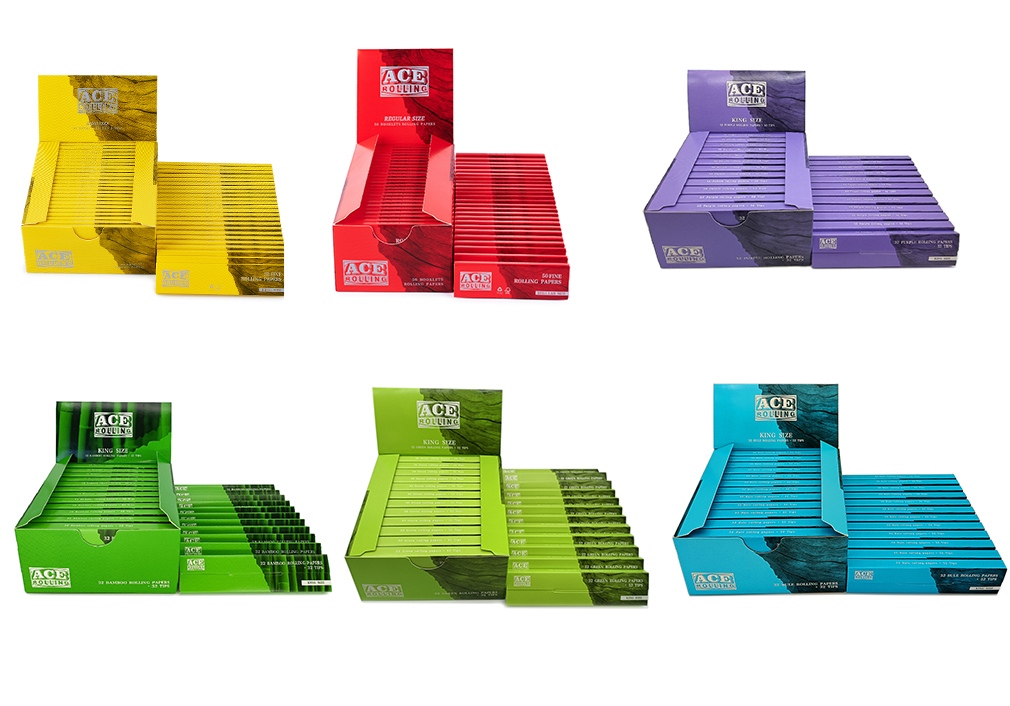
Once the intended machine type, paper dimensions, and compatibility requirements have been established, buyers can compare available paper formats and discuss whether an existing product meets the required specification. Bella420facto-smoking accessories co.,ltd. supplies rolling papers and other smoking accessories for wholesale and private-label projects. Its published range includes Civlily Cigarette Rolling Paper Unbleached 1¼ and King Size , with product information covering paper material, available sizes, and packaging configurations. The published specifications do not establish compatibility with every rolling-machine model. Buyers developing a combined paper and machine assortment should therefore identify the intended equipment, request representative samples, and confirm compatibility before finalizing the purchasing specification.
Conclusión
Rolling paper compatibility should be established through the intended machine and an approved physical sample, not inferred from paper size alone. Dimensions, flexibility, surface condition, and the equipment’s feeding method can all affect handling. Purchasing teams should distinguish flat-paper machines from tube-filling equipment, investigate repeated feeding defects, and record the exact paper and machine combination used during testing. Before placing a bulk order, confirm that the proposed production specification matches the approved sample and that any subsequent material change will trigger a new compatibility review.
Preguntas frecuentes
1. Can all rolling papers be used in a rolling machine?
No. Compatibility depends on the machine’s design and accepted consumable format. Some machines handle flat rolling-paper sheets, while others require manufactured cigarette tubes or pre-rolled cones. Buyers should check the equipment instructions and test the intended paper before ordering.
2. Does rolling paper thickness affect machine compatibility?
Paper thickness and flexibility can influence how a sheet bends and moves through a feeding mechanism. However, GSM alone cannot establish compatibility. The selected paper should be tested in the actual machine, with the operating conditions recorded for comparison.
3. Why does rolling paper sometimes tear inside a rolling machine?
Tearing may result from excessive mechanical pressure, incorrect sheet alignment, paper weakness, or an unsuitable consumable format. The cause should be investigated using the machine instructions and a controlled sample comparison rather than assuming the paper is defective.
4. Should wholesalers test rolling papers with different machine models?
Yes, when compatibility with several machine models is part of the product’s intended application. Approval obtained with one machine should not automatically be extended to equipment with a different feeding mechanism or consumable requirement.
5. What information should buyers request before ordering machine-compatible rolling papers?
Request the paper material, actual dimensions, production specification, reference samples, and any documented compatibility information. Buyers should also identify the intended machine model and agree on how changes to the approved paper specification will be handled.
REGIONES DEL MUNDO


