
The Future of Rolling Papers: Sustainable Packaging, Slim Papers, and Consumer Trends
Aug. 13, 2026
09:00:31

Rolling paper buyers are no longer choosing only a sheet size and logo. Product briefs must connect paper composition, basis weight, air permeability, gum performance, pack construction, and environmental claims. Slim formats may reduce excess overlap, but they leave less tolerance for weak sheets, uneven cutting, or inconsistent gum lines. Sustainable packaging creates similar trade-offs: removing material can lower waste while making a booklet easier to crush or expose to moisture. The next generation of rolling papers will be shaped by controlled engineering rather than surface-level branding.
Which Consumer Preferences Should Rolling Paper Buyers Translate Into Specifications?
The useful question is not which style appears fashionable, but which product characteristics are likely to remain valuable after the packaging novelty wears off. Buyers should separate appearance, handling, burn behavior, portability, and environmental positioning before requesting samples.
Why Are Slim Papers More Than a Visual Format?
A slim paper can limit unnecessary overlap when its width matches the intended fill and rolling method. The format also fits compact booklets and can support a lighter product presentation. However, a narrower sheet gives the user less room to correct an uneven roll, so dimensional consistency and edge quality become more noticeable.
Length, width, sheet count, fold direction, and interleaving should be specified independently. “King size slim” or another trade description may not produce identical dimensions across suppliers.
Which Product Details Influence Repeat Purchases?
Consumers experience the product through sheet release, hand feel, transparency, gum activation, rolling control, and burn consistency. A booklet that looks refined but dispenses two sheets at once creates an immediate quality complaint.
Buyers should also consider tips, magnetic or tuck closures, display format, and pocket durability. Each feature should solve a handling or merchandising need rather than simply increase cost and material.
How Do Slim Rolling Papers Change Paper and Gum Requirements?
A thin sheet still has to survive converting, packing, transport, and manual rolling. Reducing width or basis weight without controlling fiber formation can lead to tears, wrinkles, edge curl, or inconsistent combustion.
Which Paper Properties Should Be Tested Together?
Basis weight, thickness, tensile strength, moisture, air permeability, opacity, and surface uniformity interact. Air permeability is a recognized measurable property for materials used as cigarette and related papers, while fiber structure, fillers, basis weight, porosity, and burn additives all influence combustion behavior.
A lighter paper is not automatically slower burning or easier to use. Changing filler or porosity may alter both burn behavior and mechanical strength. Buyers should compare samples using the intended material, rolling diameter, and storage condition rather than judging transparency alone.
What Makes the Gum Line Reliable?
Gum width, coating weight, placement, activation moisture, and drying conditions determine whether the seam closes without lifting or excessive wetting. The strip should run parallel to the cut edge and remain continuous from sheet to sheet.
High humidity can make sheets block together, while low humidity can encourage curl or brittle handling. Sample approval should include storage after production, not only testing immediately after the booklet is opened.
What Makes Rolling Paper Packaging Genuinely More Sustainable?
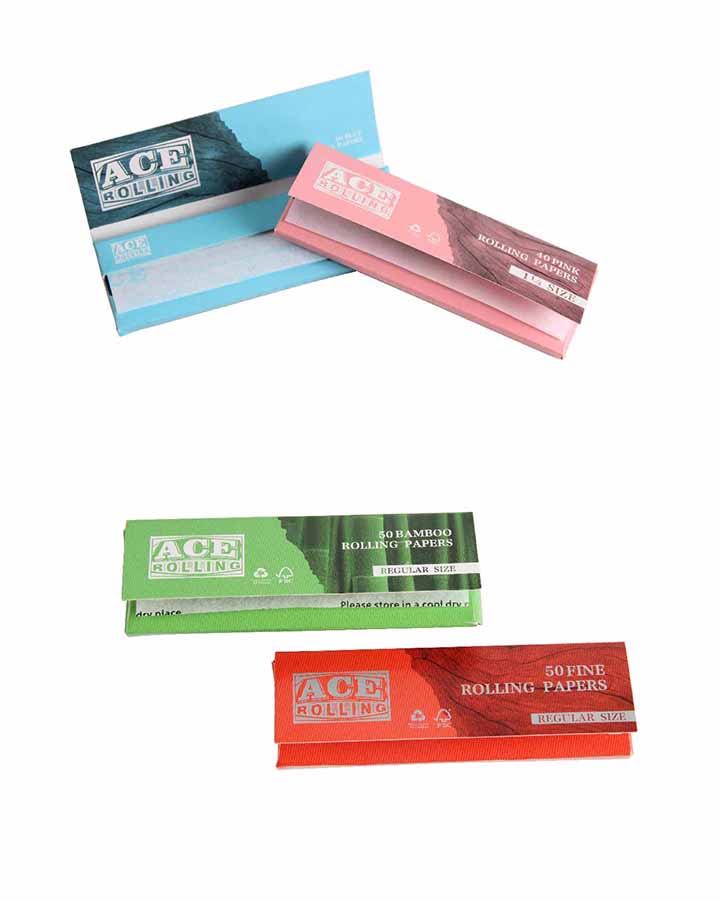
Sustainable packaging begins with material reduction, verified sourcing, and realistic end-of-life claims. Replacing one material with another does not help if the new pack uses more components, fails during distribution, or cannot be separated after use.
How Should Buyers Reduce Packaging Without Weakening It?
Start with the booklet board, inner liner, adhesive, ink coverage, closure, display box, and transport carton. Removing a film, magnet, window, or decorative insert may simplify the structure, but the remaining board must still protect the papers from crushing, abrasion, and moisture.
For products sold in the European Union, the Packaging and Packaging Waste Regulation will generally apply from August 12, 2026. It covers packaging placed on the EU market and introduces requirements related to composition, design, recovery, and waste prevention.
How Can Sourcing and Environmental Claims Be Verified?
For forest-based paper and board, chain-of-custody systems can document how certified material moves through sourcing, processing, labeling, and sale. Buyers requesting an FSC claim should verify the applicable certificate scope and trademark controls rather than assuming that certified pulp automatically authorizes a finished-product label.
Environmental language also needs precision. Current FTC guidance cautions against broad, unqualified terms such as “eco-friendly” and requires claims about recycled content, recyclability, or compostability to be specific and substantiated.
Which Quality Risks Should Be Controlled Before Launching a New Design?
Rolling papers appear simple, but small variations become obvious during use. Quality control should cover the paper, gum, printing, converting, booklet assembly, and shipping pack as one finished system.
What Should Incoming and In-Process Inspection Include?
For the paper, check basis weight, dimensions, moisture, appearance, pinholes, wrinkles, tensile behavior, and air permeability where specified. For gum, verify location, continuity, width, adhesion after conditioning, and unwanted transfer to adjacent sheets.
Converting inspection should cover cut squareness, sheet count, interleaving, fold position, booklet opening, print registration, odor, ink rub, and adhesive squeeze-out. Acceptance limits need defined methods because descriptions such as “thin,” “slow burning,” or “strong gum” are not measurable specifications.
Which Failures Emerge Only After Packing and Storage?
Booklets can warp, covers can delaminate, magnets can shift, and sheets can block after humidity exposure. Ink or adhesive odor may also become more noticeable inside a closed display carton.
Condition samples in upright, flat, compressed, warm, and humid storage as appropriate to the sales route. Then recheck sheet release, gum behavior, cover strength, printing, and carton fit. Transport packaging should prevent edge crushing without using unnecessary void fill.
How Should Buyers Evaluate a Rolling Paper Supplier for Future Programs?
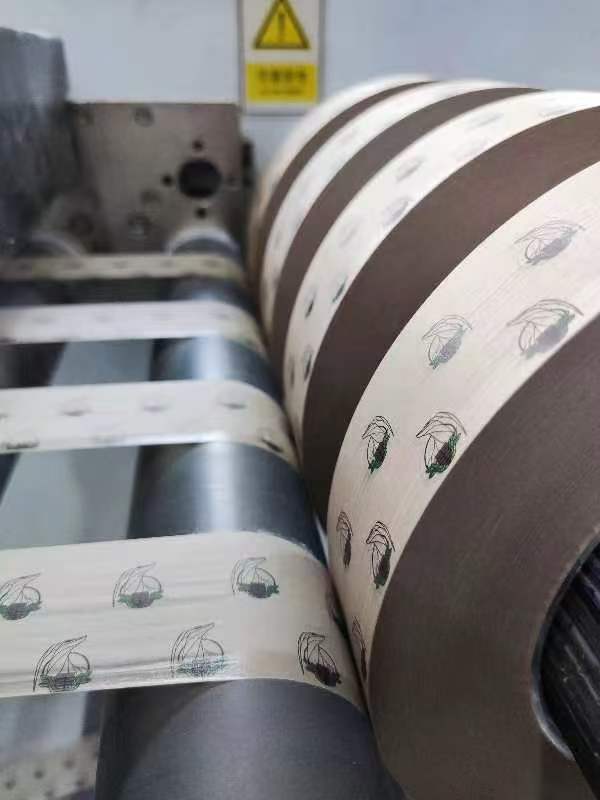
A supplier should be able to convert a brand concept into controlled materials, dimensions, tests, and repeat-order records. Catalog variety alone does not show whether production can remain consistent.
What Belongs in a Complete Purchasing Brief?
Specify fiber or paper type, color, basis-weight range, dimensions, sheet count, gum type, printing, booklet board, closure, tips, display quantity, carton arrangement, destination market, and environmental claims. Identify which elements are mandatory and which can be adjusted for cost or manufacturability.
Sample review should include unprinted paper first when performance is uncertain, followed by a printed booklet made with production-intent materials. Test several booklets rather than selecting one visually favorable sample.
Which Supplier Controls Reduce Repeat-Order Risk?
Approve the paper source, gum, ink, board, dimensions, artwork, sheet count, packaging, and acceptance methods before production. Changes to fiber composition, basis weight, porosity, gum formulation, board grade, ink, adhesive, or converting equipment should require notification.
Buyers should confirm minimum order quantity, tooling charges, lead time, retained-sample policy, lot identification, inspection records, and complaint handling. A lower quotation may create risk if the paper source or packaging structure changes without review.
How Can a Rolling Paper Manufacturer Support Product Development?
Bella420facto-smoking accessories co., ltd. manufactures rolling papers for wholesale, private-label, and customized packaging programs. A project brief can define paper material, basis weight, sheet dimensions, booklet count, gum, tips, printing, closure, display packaging, order quantity, and destination requirements. Samples should be checked for sheet release, cut accuracy, tensile handling, gum continuity, odor, print registration, booklet strength, and storage behavior. Quotations should identify the approved component structure, customization scope, minimum order quantity, lead time, packing method, and inspection items. Before volume production, buyers should approve physical samples, artwork, measurable tolerances, environmental claim wording, and documented change-notification requirements for consistent repeat orders.
استنتاج
The future of rolling papers will depend on disciplined choices rather than adding more features. Slim papers require controlled dimensions, strength, porosity, and gum application. Sustainable packaging requires material reduction, traceable sourcing, durable construction, and claims that can be substantiated in the destination market. Buyers should test the complete booklet after storage and transport, then lock the approved materials and inspection methods. That approach supports consumer-relevant design while reducing quality, compliance, and repeat-order risk.
الأسئلة الشائعة
1. Are Slim Rolling Papers Always Made From Thinner Paper?
No. “Slim” usually describes sheet width or format, not necessarily basis weight. Buyers should specify width, length, thickness, basis weight, porosity, tensile strength, and gum dimensions separately.
2. Which Tests Matter Most for Slim Rolling Papers?
Check dimensions, basis weight, tensile handling, moisture, air permeability, sheet release, gum continuity, adhesion, burn consistency, edge quality, and performance after humidity and storage conditioning.
3. Can a Rolling Paper Booklet Be Called Eco-Friendly?
Broad environmental claims are risky without evidence. State the specific attribute, such as verified fiber sourcing, reduced package weight, or declared recycled content, and confirm applicable destination-market guidance.
4. Does Removing Plastic Automatically Make Packaging Sustainable?
Not necessarily. The replacement must still protect the papers and suit realistic disposal routes. Buyers should compare total material use, separability, durability, sourcing, and transport performance.
5. What Should Buyers Approve Before Ordering Custom Rolling Papers?
Approve the paper, dimensions, gum, sheet count, artwork, inks, booklet board, closure, tips, display carton, packing method, measurable tolerances, inspection criteria, and documented change-control procedure.

استثمار ساخن في كل
مناطق العالم
مناطق العالم


