

Manual vs. Electric Herb Grinders: A Complete Guide to Choosing What’s Best for You
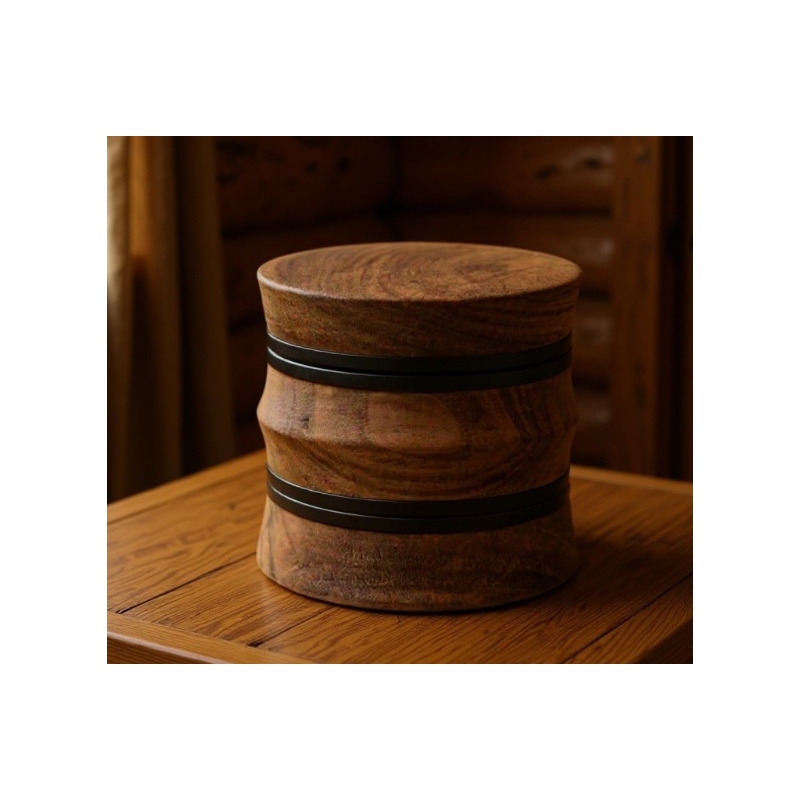
Grinding your weed shouldn’t suck. Seriously. When you’re getting ready to pack a bowl of fresh Cannabis sativa or roll a fatty with some killer marijuana, the tool you pick changes everything. It can take rock-hard nugs and turn them into light, even fluff that burns clean and tastes amazing. Right now smokers basically have two solid options: the old-school manual herb grinders or the push-button magic of electric herb grinders. Both work great. They just fit different vibes. Let’s walk through it step by step so you can grab the one that actually makes your sessions better—and truly elevate your smoking experience.
Why Grinding Your Herb Matters in the First Place
Picture this: you rush-pack a bowl with chunky nugs straight from the jar. It lights unevenly. Half burns hot and harsh while the rest stays green. Wasteful, right? A good grind fixes that.
Cannabis sativa buds pack tight with trichomes—the tiny crystals loaded with THC, terpenes, and all the good stuff. Breaking them open evenly exposes more surface area. You get:
- Smoother hits with better flavor
- More efficient extraction (whether you’re smoking, vaping, or making edibles)
- Less waste—studies from places like the Journal of Cannabis Research show properly ground flower can increase cannabinoid release by up to 25% compared to hand-broken buds
Bottom line? If you’re serious about your sessions, a decent grinder isn’t optional. It’s essential.
Manual Herb Grinders: The Hands-On Classic That Never Lets You Down
There’s something satisfying about twisting a manual grinder yourself. You feel the buds give way, hear the teeth bite in. It’s tactile. Ritualistic, even.
How Manual Grinders Work
Most are 2–4 piece designs made from aircraft-grade aluminum or zinc alloy. Sharp, diamond-shaped teeth (usually 50–60 of them) shred the herb as you rotate the lid. A middle chamber catches the grounds, and if it’s a 4-piece, the bottom kief catcher collects the potent pollen that falls off.
The Big Advantages
- Total control — You decide how coarse or fine. Want fluffy for a joint? Few twists. Powdery for a vape? Go longer.
- Portable and tough — No batteries. No cords. Toss it in your bag and hike, camp, or travel without worry. I’ve dropped good ones off balconies—they just get character scratches.
- Quiet — Perfect for discreet sessions.
- Kief collection — Over a few weeks, you build up enough for a moon-rock bowl that hits like a freight train.
- Affordable — Quality manual herb grinders start around $20–$50 and last years.
The Downsides (Because Nothing’s Perfect)
- Takes a little elbow grease, especially with sticky strains.
- Arthritis or hand issues? Not fun after a while.
- Can get gunky fast if you don’t clean it regularly.
Real talk: if you’re grinding an eighth or less at a time, manual is plenty. I still reach for mine 80% of the time.
Electric Herb Grinders: Speed and Ease When You Need It Most
Now flip the script. You dump your weed in, press a button, and 10 seconds later—perfectly fluffy grounds. No twisting. No effort.
How Electric Grinders Work
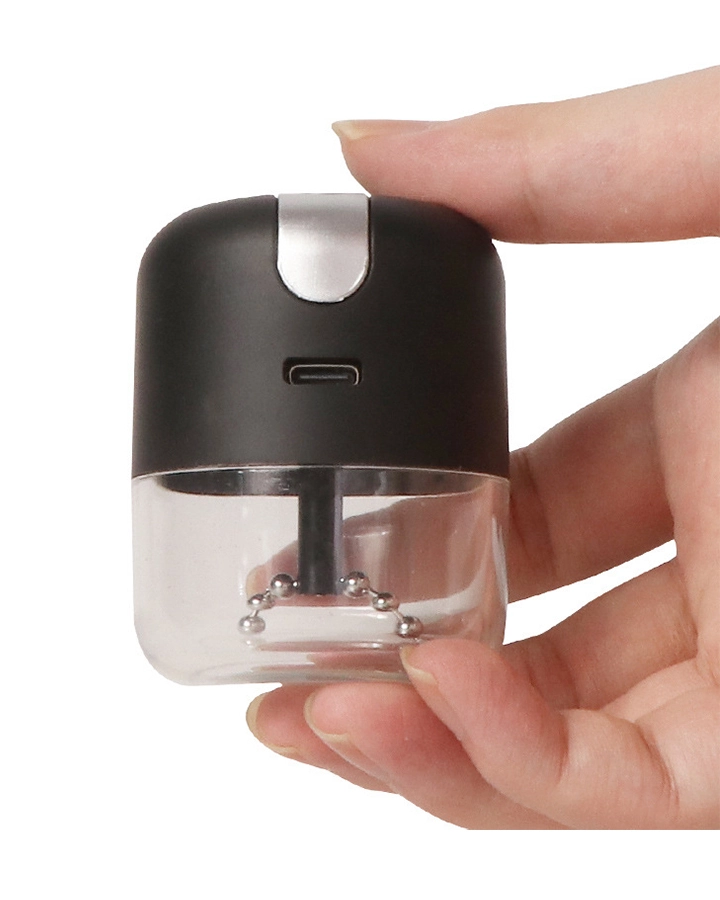
A small motor spins sharp blades (or sometimes teeth) at high RPM. Most run on rechargeable batteries, some on USB-C. Higher-end models let you adjust grind time for coarse vs. fine.
Why People Are Switching
- Blazing fast — An ounce in under a minute. Great for groups or when you’re rolling multiple joints.
- Zero effort — Huge for medical users with limited hand strength or anyone with chronic pain.
- Consistent results — The machine doesn’t get tired, so every batch looks the same.
- Higher capacity — Many hold 2–3 grams at once, some even more.
I watched a buddy with rheumatoid arthritis go from dreading prep to actually enjoying sessions again after he got an electric one. That alone sold me on their value.
The Trade-Offs
- Louder—sounds like a coffee grinder (not stealthy).
- Harder to collect kief cleanly.
- Batteries die at the worst moments.
- More expensive upfront ($60–$150 for solid ones).
- Need occasional blade sharpening or replacement.
Head-to-Head Comparison: Manual vs. Electric Herb Grinders
| Feature | Manual Herb Grinders | Electric Herb Grinders |
|---|---|---|
| Speed | 20–60 seconds per session | 5–20 seconds |
| Effort Required | Moderate twisting | One button press |
| Portability | Excellent (no power needed) | Good, but heavier with battery |
| Noise Level | Silent | Noticeable buzz |
| Kief Collection | Excellent (built-in screen) | Limited or none |
| Consistency | Depends on your technique | Always uniform |
| Best For | Solo sessions, travel, ritual | Groups, medical users, bulk prep |
| Price Range | $15–$80 | $50–$200 |
| Durability | Extremely high (metal body) | Good, but motor can wear out |
Real-Life Scenarios—Which One Should You Grab?
- Daily solo smoker who loves the process → Manual all day. You’ll appreciate the control and that satisfying twist.
- Medical patient with hand/wrist pain → Electric. It removes a real barrier.
- Weekend warrior hosting seshes → Electric saves time when you’re grinding for five people.
- Backpacking or festival goer → Manual. No charging stress.
- Perfectionist who vapes → Manual for fine control, or a high-end electric with adjustable timers.
Most serious smokers I know actually own both. Manual for most days, electric when life gets busy.
About Bella420facto: Your Go-To Supplier for Premium Smoking Accessories
If you’re a shop owner, brand builder, or just stocking up in bulk, Bella420facto deserves a serious look. They’re a straight-from-factory manufacturer based in China specializing in everything from herb grinders to glass bongs and rolling trays. What sets them apart? They accept small-order custom runs—think your logo etched on a zinc alloy manual grinder or custom colorways on electrics—without insane minimums like some factories demand. Their team handles design, prototyping, and shipping logistics so you don’t have to. Quality-wise, they use proper aircraft-grade metals, sharp CNC-cut teeth, and actually test for smooth operation. Countless U.S. and European brands quietly source from places exactly like this. If you’re ready to level up your product line and offer grinders that make customers say “damn, this thing rips,” hit them up.
Conclusion
Neither manual nor electric herb grinders is universally “better”—The choice depends more on the usage scenario and personal preference. The manual grinder is intuitive to operate, has a simple structure, and is highly durable; while the electric grinder is highly efficient and can complete the grinding process quickly, making it more suitable for users who value convenience. Based on actual needs, choosing the appropriate type will help enhance the user experience. Therefore, many users will have both types of grinders to accommodate different needs in different situations.
FAQs About Manual and Electric Herb Grinders
Q: Which is better for collecting kief—manual or electric herb grinders? A: Manual herb grinders take the crown easy. That mesh screen in four-piece models catches way more trichome dust. Electrics usually shred too hard for clean separation.
Q: Do electric herb grinders kill trichomes and potency? A: Nah, not if it’s a quality unit. Use short bursts and sharp blades—potency stays solid. Cheap junk can heat things up and hurt trichomes, but good electrics often do better than ripping buds apart by hand.
Q: How fine can manual herb grinders get compared to electric? A: A sharp manual can go powder-fine with a few extra twists—perfect for vapes. Electrics stay consistent but usually stop at medium-fine unless they’ve got special settings.
Q: Are electric herb grinders worth it for occasional smokers? A: Probably not. If you only spark up a couple times a week, the extra cash and charging hassle isn’t worth it. A solid manual herb grinder will make you happier.
Q: Can I fly with either type of herb grinder? A: Yeah, as long as it’s clean and empty. TSA doesn’t care about the tool, just residue. Manual looks harmless and has zero battery drama. Electrics can sometimes get a second glance if they look like a mod.
REGIONS OF THE WORLD


