

Rolling Paper Thickness Explained: How Paper Weight Affects Burn Rate and User Experience
Sep. 03, 2026
00:00:15

Rolling paper’s thickness is not only essential for its handling and appearance. For resellers, it can be critical in terms of processing, burning characteristics, transparency, and overall appeal. Nevertheless, the GSM (grams per square meter) of rolling paper is not the only characteristic that defines its quality. Material, porosity, fiber structure, gum, and production consistency also matter. Buyers should therefore treat paper weight as one measurable specification within a complete rolling paper purchasing brief.
What Does GSM Tell Buyers About Rolling Paper Thickness?
Before comparing rolling papers, buyers need to understand what GSM actually measures. It provides a useful reference, but it is not exactly the same as physical thickness.
What Does GSM Mean?
GSM means grams per square meter. It measures how much one square meter of paper weighs.
A 14 GSM sheet contains less paper mass per unit area than a 20 GSM sheet. In general, lower-GSM rolling papers feel lighter, while higher-GSM papers tend to feel firmer.
When requesting samples, buyers can record:
| Specification | What to Confirm |
|---|---|
| Paper weight | GSM |
| Материал | Hemp, rice-based, wood pulp, or other |
| Цвет | White, natural, or customized |
| Размеры | Length × width in mm |
| Tolerance | Supplier manufacturing range |
Is GSM the Same as Physical Thickness?
No. GSM measures weight per area, while thickness measures the physical depth of the sheet.
Two papers with the same GSM may still feel different because fiber density, porosity, and manufacturing methods vary.
For this reason, a written GSM specification should always be combined with physical sample approval.
How Does Paper Weight Affect Burn Rate?
Paper weight can influence burn behavior, but it is only one part of the equation. Buyers should avoid assuming that one GSM automatically produces a specific burn speed.
Why Can Lower-GSM Paper Burn Differently?
A lighter paper contains less material per square meter. Under similar conditions, this can affect how much paper is available to burn.
However, several other factors also influence performance:
- Paper material;
- Porosity;
- Moisture;
- Fiber structure;
- Burn-control additives;
- Rolling density;
- Airflow during use.
That means two 14 GSM papers from different suppliers may not perform identically.
What Should Buyers Test?
Rather than choosing paper only from a specification sheet, compare finished samples.
Check:
- Burn consistency;
- Uneven burning;
- Ash behavior;
- Gum performance;
- Paper strength;
- Overall handling.
Keep the approved sample together with the written specification. This creates a clearer production reference for bulk and repeat orders.
How Does Rolling Paper Thickness Affect User Experience?
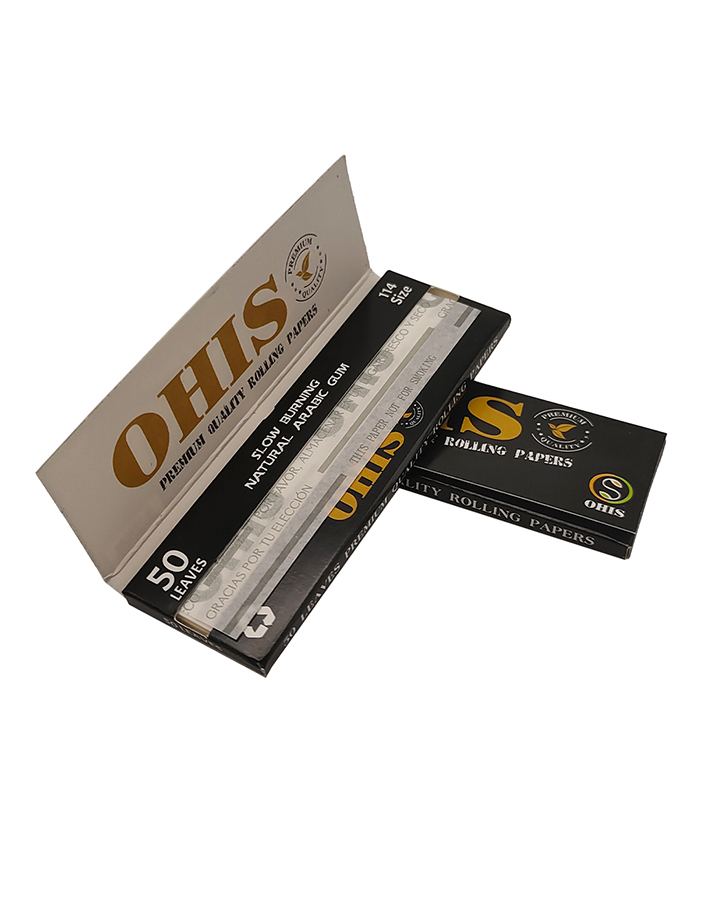
Burn rate matters, but customers notice thickness before use as well. Paper weight influences how easy the sheet is to handle and how the finished product feels.
Are Heavier Papers Easier to Handle?
In many cases, a heavier sheet feels firmer and may be easier to control during rolling.
Lower-GSM paper can feel lighter and more delicate. This may appeal to experienced users, but it can require more careful handling.
For brands, the right choice depends on the target customer rather than simply selecting the lowest GSM available.
A general comparison looks like this:
| User Factor | Lower GSM | Higher GSM |
|---|---|---|
| Чувствуйте | Зажигатель | Firmer |
| Прозрачность | Often higher | Often lower |
| Handling | More delicate | Often easier |
| Strength | May be lower | Often higher |
| Paper mass | Less | More |
These are general tendencies, not fixed rules. Material and production methods can change the result.
What Specifications Should Buyers Compare Besides GSM?
Once the paper weight has been selected, several other specifications need to be confirmed before quotations can be compared properly.
Material and Porosity
Paper material affects texture, appearance, handling, and burn behavior.
Common options may include:
- Hemp paper;
- Rice-based paper;
- Wood-pulp paper;
- Other specialty fibers.
Porosity also matters because it affects airflow through the paper.
Useful supplier questions include:
- What material is used?
- What is the nominal GSM?
- What tolerance applies?
- Is porosity controlled?
- Can the same specification be maintained for repeat orders?
Gum, Size, and Packaging
The paper itself is only one part of the final SKU.
An OEM specification should also include:
- Paper length and width;
- Sheets per booklet;
- Gum type;
- Gum-line position;
- Booklets per display box;
- Boxes per carton;
- Printing requirements;
- Barcode position;
- Artwork version.
Two suppliers quoting the same GSM may still be offering very different commercial products if their pack counts, materials, or gum specifications differ.
How Should Brands Choose the Right Rolling Paper Weight?
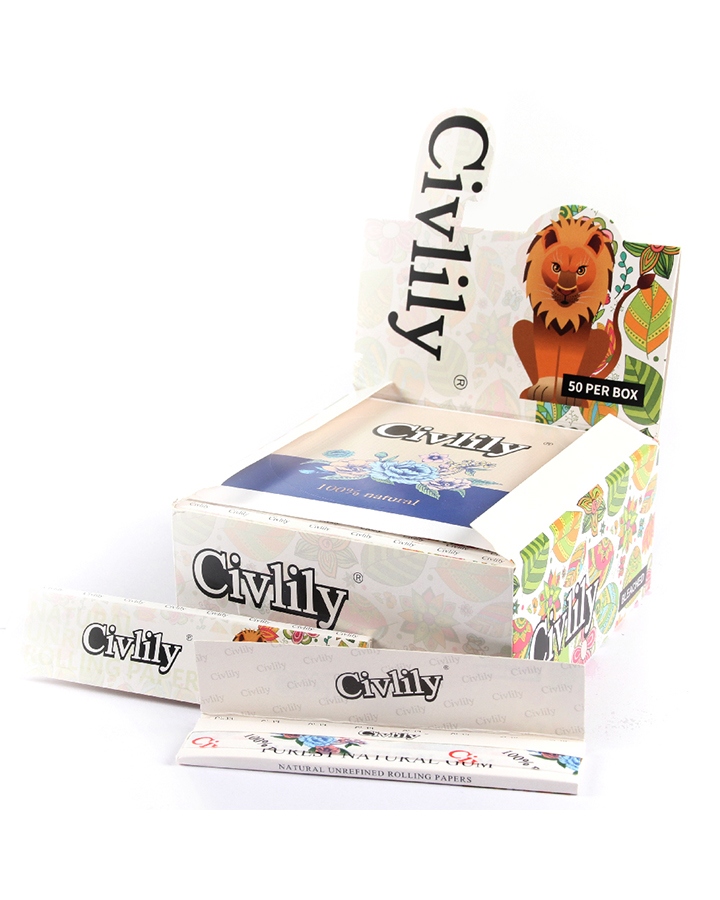
There is no single GSM that suits every product. The right specification depends on target users, product positioning, and handling expectations.
Start With the Target Customer
Ask what kind of experience the product should provide.
For example:
- A lightweight product may suit customers who prefer thinner paper.
- A more robust sheet may suit mainstream retail users who value easier handling.
- A premium private-label SKU may need a specific balance between low paper weight and sufficient strength.
Instead of requesting many random samples, ask the supplier for two or three clearly different options.
For each sample, record:
- Material;
- GSM;
- Dimensions;
- Handling;
- Tear resistance;
- Gum behavior;
- Burn consistency.
Before production, use this checklist:
- Material confirmed
- GSM confirmed
- GSM tolerance confirmed
- Sheet dimensions confirmed
- Handling sample approved
- Burn behavior reviewed
- Gum approved
- Pack count confirmed
- Artwork approved
- MOQ confirmed
- Production sample retained
- QC requirements agreed
For repeat-order businesses, consistency is more important than one unusually good sample.
How Can Bella420facto Support Rolling Paper Buyers?
Bella420facto-smoking accessories co.,ltd. specializes in rolling papers and other курильные аксессуары for wholesale and private-label sales. The company offers Услуги OEM and is open to any suggestions regarding the papers’ qualities, sizes, packing, brands, quantities, and other production details before the purchase. For a new project, buyers can provide the preferred material, GSM or reference sample, sheet size, booklet configuration, artwork, and estimated quantity. A clear specification helps both sides confirm suitable samples and prepare a more accurate quotation.
Вывод
When buying rolling papers, one needs to consider the thickness as a specific characteristic of a particular brand or type. The number of GSM indicates the weight of the paper sheet; however, other factors affect the rolling sheets’ quality in terms of burning properties and user experience, such as the material, porosity, gum, and production standards. Before placing an OEM order, brands should compare representative samples, record the selected specifications, and keep the approved sample as the reference for mass production.
Часто задаваемые вопросы
1. What does GSM mean for rolling papers?
GSM means grams per square meter. It measures paper weight per unit area and helps buyers compare how light or heavy different rolling paper specifications are.
2. Does lower GSM mean better rolling paper?
No. The right GSM depends on target users, material, handling requirements, burn behavior, and product positioning rather than one universal quality standard.
3. Do thinner rolling papers always burn more slowly?
Not always. Paper weight influences burn behavior, but porosity, material, airflow, moisture, and rolling conditions also affect the final result.
4. What should wholesalers ask suppliers about rolling paper thickness?
Ask about GSM, material, tolerance, dimensions, porosity where available, gum specification, pack configuration, and whether samples match the proposed bulk-production specification.
5. How should brands approve rolling paper thickness?
Compare several samples, check handling and burn behavior, confirm the GSM and material, then retain the approved sample together with the written production specification.
ГОРАЧИЕ ИНВЕСТИЦИИ ВСЕ
РЕГИОНЫ МИРА
РЕГИОНЫ МИРА


