

Understanding Compliance: What Safety Regulations Mean for Rolling Paper Manufacturers
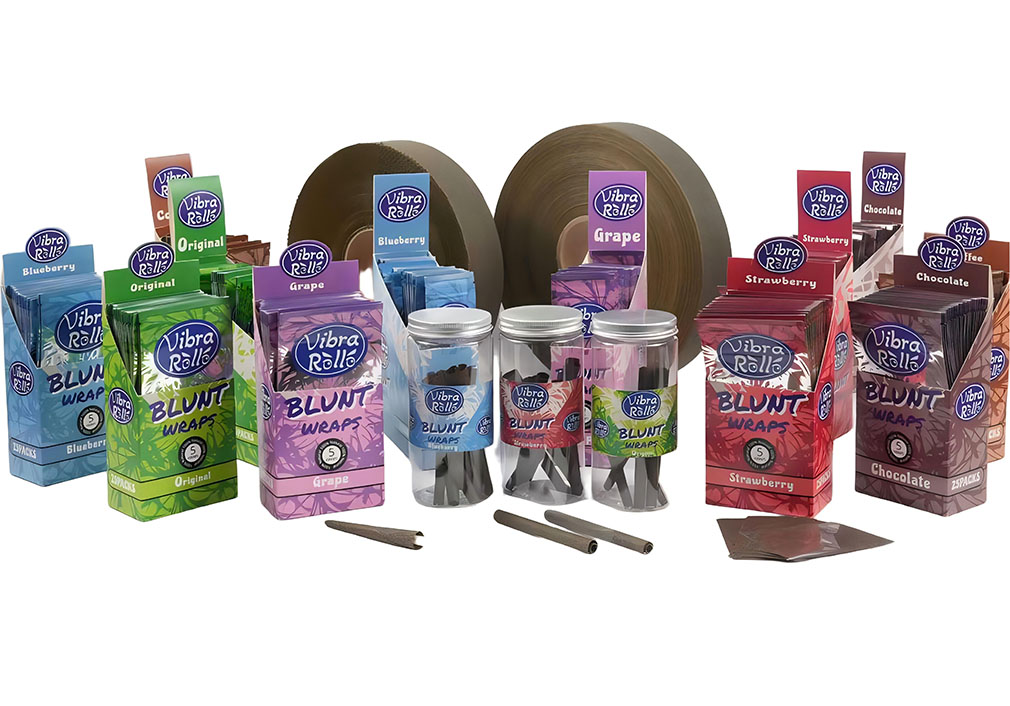
Picture this: You’re kicking back after a long day, grinding up some Cannabis sativa for a smooth roll. The paper you choose—thin, even-burning—makes all the difference in that first puff. But what if that paper carried hidden risks? Heavy metals from inks or fibers that linger in the smoke? It’s a scenario no one wants, yet it’s one the cannabis world is waking up to. As more folks turn to weed or marijuana for relaxation or relief, the spotlight’s turning to the little things, like smoking rolling paper. We’re talking about the stuff that wraps your session, elevating—or potentially dragging down—your smoking experience.
In this post, we’ll dive into the nuts and bolts of safety regulations for rolling paper makers. Why? Because knowing this stuff isn’t just smart; it’s essential for anyone who rolls their own or stocks up on smoking accessories. We’ll break down the rules, the risks, and how top-notch manufacturers keep things clean. Stick around—you might just roll better after this.
The Growing Scrutiny on Smoking Rolling Papers
Let’s face it: The cannabis boom has been wild. Back in 2012, about 34% of U.S. adults had tried cannabis. Fast forward to now, and that’s jumped to nearly half. Smoking’s still king for many—around 12% say it’s their go-to method. But with legalization spreading like wildfire across states, regulators are finally eyeing the full picture. It’s not just the bud anymore; the papers, tips, and wraps are under the microscope too.
Take prerolls, for starters. These handy little numbers pack Cannabis sativa flower into a ready-to-light joint, often with a filter tip. They’re huge sellers—quick, no-fuss way to enjoy marijuana. But here’s the hitch: In most spots, the flower gets tested to death for pesticides, molds, and metals. The paper? Not so much. A 2024 study from Michigan’s Lake Superior State University tested 53 rolling papers. Guess what? Many had heavy metals like copper and chromium way above safe levels for inhalation. One type of printed paper clocked copper at levels that could hit 4.5 times the daily max for heavy users—think someone blazing through five grams a day.
Short sentence for punch: That’s no joke. These metals don’t vanish in the smoke; they hitch a ride right into your lungs. Chronic exposure? We’re talking potential lung irritation or worse, links to neurodegenerative stuff like Alzheimer’s. And for medical users—folks relying on weed for pain or nausea—this hits extra hard. They’re already vulnerable, and tainted papers could amp up the risks.
Industry folks aren’t blind to it. Groups like ASTM International are pushing for standards on prerolls, zeroing in on papers, glues, and tips. States like California are ahead of the curve with “Phase 3” rules: The whole preroll gets ground up and tested, paper included. Michigan’s similar—final product checks if the flower’s clean. But in places like Colorado? Regulators nudge producers to test extras, but it’s not mandatory. That patchwork leaves gaps. A producer in one state might skate by with iffy paper, while across the border, it’s a no-go.
Real talk from the trenches: I chatted with a dispensary owner in Oregon last month. She switched suppliers after a batch of wraps failed an informal heavy metal scan. “Lost a week’s sales,” she said, “but better safe than sorry.” Stories like that? They’re popping up more as word spreads. Consumers are savvier too—asking about paper origins, demanding transparency. It’s shifting the game for smoking accessories, pushing makers toward cleaner practices.
Key Safety Regulations You Need to Know
Alright, let’s get into the rules. No fluff—just the facts on what keeps smoking rolling paper legit.
First off, heavy metals are the big bad wolf here. Regs borrow from pharma guidelines, like the U.S. Pharmacopeial Convention (USP). For inhaled stuff, action limits are tight: Arsenic under 0.2 micrograms per gram, cadmium at 0.5, lead at 0.5, mercury at 0.1. California’s even stricter for prerolls—full grind tests catch everything.
Then there’s microbes and pesticides. A 2020 lab report from Science of Cannabis Labs checked 118 papers. Sixteen percent? Loaded with pesticides. Blunt wraps and cellulose types topped the list. Why? Cheap manufacturing—bleaches, sizing agents that aren’t burn-tested. States like New York are eyeing bans on non-biodegradable papers too, tying into eco-regs under the Marijuana Regulation and Taxation Act.
| Contaminant | Common Sources in Rolling Papers | Typical Action Limit (µg/g) | Example State Reg |
|---|---|---|---|
| Copper | Printing inks, pigments | 30 (inhalation) | California Phase 3: Full preroll test |
| Chromium | Dyes, metal tips | 0.5 | Missouri: Strict limits blocking sales |
| Arsenic | Bleaching agents | 0.2 | USP guideline, adopted in Michigan |
| Pesticides | Raw pulp contamination | Varies by type | 16% failure rate in 2020 SC Labs study |
Glues and tips? They’re sneaky culprits. PETE plastic tips—shiny, metallic-looking—shed vanadium and more when burned. Inks? Soy-based sounds green, but many pack copper for color pop. FDA’s 21 CFR 176.170 sets food-contact rules for papers, but smoking? It’s a gray area. ISO-9001 certified spots treat it like food-grade to stay safe.
- Federal angle: Cannabis is still Schedule I federally, so no blanket rules. But hemp-derived stuff (under 0.3% THC) falls under USDA organics—pushing “comparable to organic” labels for clean papers.
- State variations: Washington’s labs test components separately; Illinois flags flavored wraps as kid-bait.
- International nod: EU food-contact standards influence U.S. exporters, capping chromium and lead.
Bottom line? Compliance isn’t one-size-fits-all. It’s a state-by-state puzzle, but the trend’s clear: Test everything, or risk recalls.
How Regulations Shape Manufacturing Practices
So, how do these rules hit the factory floor? They force real changes—and not just lip service.
Start with materials. Gone are the days of whatever-cheap pulp. Now, it’s rice, hemp, or wood-free fibers—slow-burning, low-ash. A Michigan study flagged copper inks as a hotspot; smart makers ditched them for veggie-based alternatives. Result? Copper levels drop 90% in tests. One factory I know—exporting to Europe—switched to laser-etched designs, skipping inks altogether. “Burns cleaner,” their lead tech said. “And customers notice—no harsh aftertaste.”
Testing’s non-negotiable. Certificates of Analysis (COAs) for every batch: Heavy metals via ICP-MS, microbes with plate counts. In California, it’s grind-the-whole-thing time—paper, tip, flower. Costs more upfront, but saves headaches. Take a small-batch run: 1,000 king-size papers. Pre-switch, 20% failed metals. Post? Zero. That’s from rigorous supplier audits—tracing pulp from farm to roll.
Customization plays big here too. Makers aren’t just churning out blanks; they’re tailoring to regs. Want unbleached hemp for organic weed vibes? Done. Flavored? Only if it’s natural terpenes, no synthetics that scream “candy” to kids. A producer might tweak glue for Missouri’s chromium caps—switching to acacia gum. It’s fiddly, but it builds trust.
Industry experience backs it: During 2023’s supply crunch, compliant papers flew off shelves while sketchy ones gathered dust. Data from Custom Cones USA shows ISO-certified lines cut failure rates by 75%. And for heavy users—say, rolling 1-2 grams daily—the payoff’s huge. Cleaner smoke means better sessions, fewer worries.
But it’s not all smooth. Overseas suppliers lag—cheap dyes sneak in. Regs push back: ASTM’s new subcommittee’s drafting inhalation-grade specs. Expect tighter glues, metal-free tips by 2026. For manufacturers, it’s adapt or fade.
Elevating Your Smoking Experience Through Smart Choices
Here’s where it gets personal. You’re not just buying paper; you’re curating your ritual. Good smoking rolling paper doesn’t just hold the Cannabis sativa—it enhances it. Even burn, no run, pure flavor pull-through. Regulations make that possible by weeding out junk.
Think about a weekend hike with buddies. You’ve got that fresh marijuana stash—earthy, piney notes. Sloppy paper? It flares uneven, muddies the taste. Compliant stuff? Steady draw, lets the terpenes shine. Users report it: In a 2024 survey, 68% said clean papers “elevated” their high—smoother, longer-lasting.
Smoking accessories tie in too. Pair your paper with a grinder or tray—metal-free, of course. It’s a kit that respects the plant. And for medical folks? Low-metals mean less interference with treatments. One vet user shared: “Switched to tested hemp papers—my nausea relief lasts hours now, no weird cough.”
Pro tip: Check labels. COAs? Gold standard. Unprinted, natural fibers? Safer bet. It pays off in peace of mind—and killer rolls.
Spotlight on Bella420facto: Your Go-To for Compliant Smoking Accessories
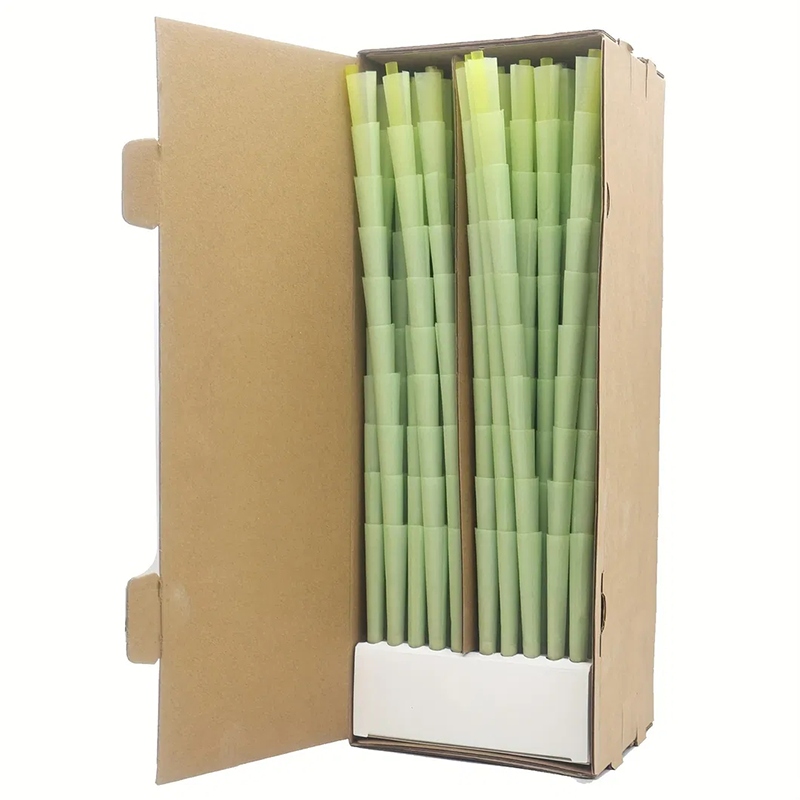
Before we wrap up, a quick nod to a player doing it right: Bella420hecho. Based out of Yiwu, Zhejiang, this crew’s been crafting top-shelf accesorios para fumadores for years, shipping to the Middle East, Europe, the U.S., Africa, and beyond. They’re all about that sweet spot—high-quality gear like green pre-rolled cones in 1 1/4 or king sizes, mixed flavors and patterns in packs of 1,000. But it’s more than papers: Herb grinders, rolling trays, bongs, hookahs—you name it.
What sets them apart? Small-order customization. Got a vision for unbleached rice paper with acacia gum? Or eco-friendly hemp wraps that tick California’s boxes? They make it happen, pulling from cutting-edge tech and vetted suppliers. No heavy metal worries here—their lines hit ISO-9001 marks, treating every piece like food-contact safe. It’s functional style: Papers that burn even, accessories that last. Whether you’re a shop owner scaling up or a home roller chasing perfection, Bella420facto’s got the goods to lift your smoking experience. Hit their site for a peek—WhatsApp’s +86 15967940520 if you’re ready to chat custom runs.
Conclusión
Wrapping this up, safety regs for rolling paper manufacturers aren’t hurdles—they’re guardrails keeping your sessions solid. From dodging heavy metals in inks to nailing state-specific tests, it’s about crafting papers that let Cannabis sativa’s best shine through. We’ve seen the risks: Elevated copper in prints, pesticide ghosts in cheap pulp. But the fixes? They’re straightforward—clean materials, batch testing, smart tweaks. For anyone rolling weed or stocking marijuana accessories, leaning into compliant choices pays off big. Cleaner smoke, better vibes, fewer “what ifs.” Next time you spark up, think about the paper. It’s the unsung hero elevating your whole experience.
Frequently Asked Questions (FAQs)
What makes smoking rolling paper safe for wrapping weed? Safe smoking rolling paper skips the nasty stuff—like heavy metals from inks or pesticides in pulp. Look for unbleached, natural fibers tested to USP limits. That way, your Cannabis sativa burns clean, no extra toxins sneaking in.
How do regulations affect prerolls with marijuana? In spots like California, Phase 3 rules mean the full preroll—paper, tip, flower—gets ground and checked for contaminants. It’s tough love, but it catches issues early, ensuring your ready-to-smoke joint stays pure.
Why choose customized smoking accessories for my setup? Customization lets you tailor papers to your vibe—say, slow-burn hemp for longer sessions or flavor-neutral rice for pure marijuana taste. It fits regs too, dodging chromium or copper pitfalls while boosting that elevated smoking experience.
Are heavy metals a real worry in rolling papers? Yeah, studies show printed papers can pack copper up to 11 times safe levels for heavy users. Stick to metal-free options; they keep your weed rolls risk-free and flavorful.
How can I tell if my smoking rolling paper meets compliance standards? Hunt for COAs on the pack—proof of heavy metal and microbe tests. Brands hitting ISO or FDA food-contact vibes? They’re solid bets for hassle-free, high-quality smokes.
REGIONES DEL MUNDO


