

Rolling Paper Sizes Explained: 1¼ vs King Size vs King Size Slim – Which Format Should You Choose?
Sep. 10, 2026
00:00:18
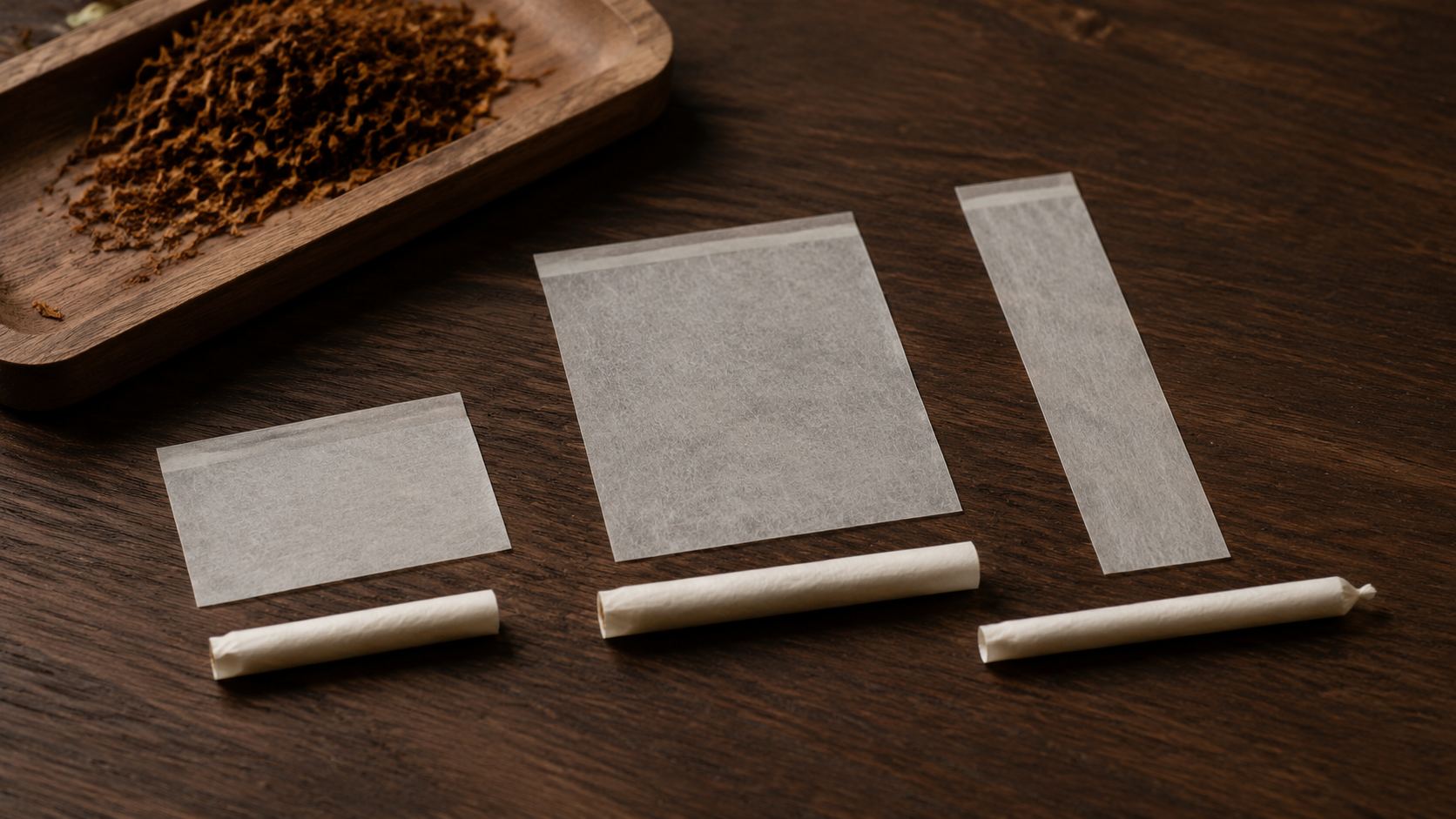
Rolling paper size affects how much material a sheet can hold, how easy it is to handle, and what kind of user is most likely to buy it. For consumers, choosing between 1¼, King Size, and King Size Slim is mainly about preferred roll length and width. For retailers, distributors, and private-label brands, the same decision also affects SKU planning, packaging, inventory, and customer positioning. The confusing part is that names such as “King Size” are industry conventions rather than one universal dimensional standard. A buyer should therefore look at the actual millimeter dimensions as well as the size name before ordering.
What Do 1¼, King Size, and King Size Slim Actually Mean?
Size names are useful for quick comparison, but they are not complete specifications. Before choosing a format, buyers need to understand what each label usually represents and why supplier dimensions should still be checked.
How Does 1¼ Size Compare With King Size?
A typical 1¼ rolling paper is around 76–78 mm long and roughly 45–48 mm wide, although dimensions can vary by manufacturer. It is one of the most familiar formats in the market and is commonly used for relatively compact rolls.
King Size papers are considerably longer. Published size guides generally place them around 100–110 mm in length. The additional length allows a longer roll, while the width depends on the exact format and manufacturer.
A simple comparison looks like this:
| Format | Typical Characteristic | Common Buyer Consideration |
|---|---|---|
| 1¼ | Shorter, compact format | Broad everyday demand |
| King Size | Longer sheet | Larger or longer rolls |
| Talla King Slim | King-length but narrower | Longer, slimmer finished format |
What Does “Slim” Mean?
Slim normally refers to width rather than length.
A King Size Slim paper keeps the longer King Size format but reduces the sheet width. The resulting roll can therefore be long without being as wide as one made with a standard King Size sheet.
This distinction matters for purchasing. A quotation that simply says “King Size” does not necessarily describe the same dimensions as another supplier’s King Size product.
For an RFQ, write:
Length: ___ mm
Width: ___ mm
Sheets per booklet: ___
Size name: ___
The millimeter measurement should take priority over the marketing name.
How Does Rolling Paper Size Change the User Experience?
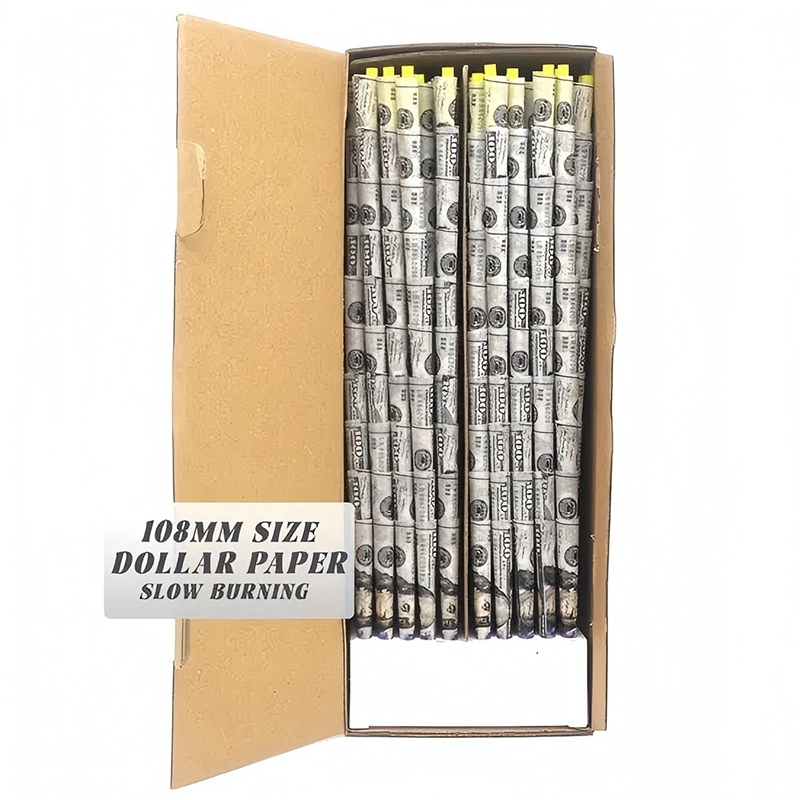
Once the dimensions are clear, the next question is what those differences mean in actual use. Size affects the finished format and handling, but it should not be confused with paper thickness or material.
Why Is 1¼ Often Used as a Core Format?
1¼ sits between very small papers and longer King Size products. Current size guides frequently describe it as one of the most widely used formats, particularly in the U.S. market.
For consumers, its appeal is straightforward: there is less sheet to handle than with a King Size paper, yet it offers more room than a Single Wide format.
For a smoke shop or distributor, this makes 1¼ a practical candidate for a core SKU rather than a specialist product.
When Does King Size Make More Sense?
King Size is better suited to users who specifically want a longer roll.
That difference also affects retail presentation. A store serving customers who regularly ask for longer formats may need King Size alongside 1¼ rather than treating the two as substitutes.
King Size can also be relevant for private-label brands that want a visibly different format from their standard SKU.
Why Would a Brand Offer King Size Slim?
King Size Slim creates another positioning option: long, but narrower.
It can appeal to buyers who want the length of King Size without the additional width of a broader sheet. From a brand-planning perspective, this gives businesses a way to expand an assortment without simply changing artwork on the same physical product.
The important point is that size should reflect a real customer preference. Adding formats only to make a product range look larger can create unnecessary inventory.
Which Rolling Paper Sizes Should Retailers and Distributors Stock?
A good assortment does not require every size available in the market. Retailers need enough variety to cover meaningful customer differences without splitting demand across too many slow-moving SKUs.
How Can Retailers Build a Practical Core Assortment?
- For many stores, a reasonable starting structure is:one familiar 1¼ option;
- one King Size option;
one slim or specialty option if customer demand supports it.Recent wholesale guidance similarly recommends starting with dependable core formats and expanding after observing actual sales rather than stocking every possible size immediately.
A retailer can track four simple indicators:
| Retail Question | What It Helps Decide |
|---|---|
| Which size is requested most often? | Core stock |
| Which format sells repeatedly? | Reorder priority |
| Which size remains on shelf longest? | Possible SKU reduction |
| Do customers ask for a missing format? | Expansion opportunity |
This is more useful than assuming that the widest assortment automatically produces the strongest sales.
Should Wholesalers Carry More Sizes Than Retail Stores?
Usually, a distributor serves several types of retailers, so a wider product range may make sense.
However, wholesale buyers still need to consider carton quantities, storage space, reorder frequency, and how demand is divided across sizes.
- For each format, record:exact dimensions;
- paper material;
- booklet quantity;
- booklets per display box;
- cartons per order;
- target customer;
expected reorder cycle.This makes size selection an inventory decision rather than simply a product preference.
What Should Private-Label Brands Confirm Before Ordering Different Sizes?
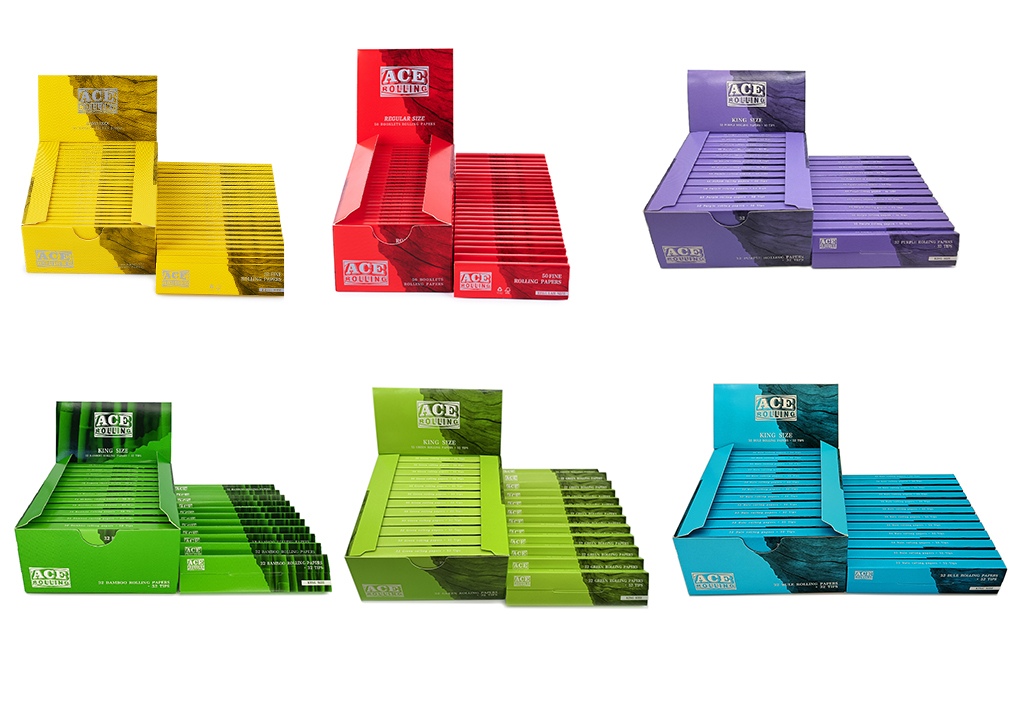
For OEM projects, size has consequences beyond the sheet itself. Changing dimensions may affect booklet construction, artwork, packaging, carton configuration, and even how the product is positioned at retail.
Why Should Brands Confirm Dimensions Before Designing Packaging?
Artwork should follow the physical product, not the other way around.
- Before the designer prepares a final booklet, ask the supplier to confirm:paper length;
- paper width;
- booklet dimensions;
- sheets per booklet;
- display-box dimensions;
available dieline.A King Size booklet and a 1¼ booklet do not necessarily use the same packaging dimensions.
This is why a private-label project should normally follow this sequence:
Choose format → confirm dimensions → receive dieline → prepare artwork → approve sample → begin production
Brands preparing their first project can also use the company’s rolling paper OEM guide as a reference for specification, artwork, sampling, and production planning.
What Should Be Checked on the Sample?
Do not approve size from the label alone.
Measure the actual sheet and check several samples rather than a single piece.
- A short approval checklist can include:Length matches specification
- Width matches specification
- Sheet count is correct
- Cutting is consistent
- Gum line is correctly positioned
- Booklet fits the paper correctly
- Artwork matches the approved version
- Display-box configuration is correct
Approved sample is retainedIf the project includes 1¼ and King Size together, approve each SKU separately.
How Can Bella420facto Support Different Rolling Paper Formats?
After choosing the right sizes, buyers need a supplier that can turn those requirements into clear product and packaging specifications before production.
Bella420facto-smoking accessories co.,ltd. supplies papel laminado y other smoking accessories for wholesalers, shops, and private-label buyers. Its current rolling paper category includes flat papers and pre-rolled formats, with products offered in 1¼ and King Size options. The company also states that it supports small-order customization for applicable products. Buyers planning several formats can provide the required millimeter dimensions, paper type, booklet configuration, artwork, quantity, and destination market when requesting samples or quotations. This allows each SKU to be assessed separately rather than relying only on size names such as “King” or “1¼.”
Conclusión
1¼, King Size, and King Size Slim serve different user preferences, so there is no single format that every retailer or brand needs to prioritize. Consumers should choose according to preferred length, width, and handling, while B2B buyers should also consider inventory turnover, packaging, and SKU complexity. For wholesale or OEM orders, always confirm the actual millimeter dimensions rather than relying only on the size name. Buyers ready to compare formats can contact Bella420facto with their preferred size, paper type, packaging, quantity, and branding requirements.
1. What is the difference between 1¼ and King Size rolling papers?
1¼ papers are shorter and generally more compact, while King Size papers provide additional length. Exact dimensions vary, so buyers should check millimeter measurements before purchasing.
2. What does King Size Slim mean in rolling papers?
King Size Slim generally keeps the longer King Size length while using a narrower sheet width, producing a slimmer finished format than many standard King Size papers.
3. Which rolling paper size should a smoke shop stock first?
1¼ is a practical core option because it is widely recognized, but the right assortment depends on local customer demand. King Size and slim formats can be added where demand supports them.
4. Are rolling paper size names standardized?
Not completely. Names such as 1¼ and King Size are industry conventions, and dimensions can differ between manufacturers. Wholesale buyers should always confirm exact length and width in millimeters.
5. Should private-label brands launch several rolling paper sizes at once?
Not necessarily. Launching fewer core sizes can simplify artwork, inventory, packaging, and quality control. Additional formats can be introduced after the brand understands which sizes customers actually buy.



INVERSIÓN CALIENTE EN TODO
REGIONES DEL MUNDO
REGIONES DEL MUNDO


