
The Truth About Cheap Herb Grinders: What Buyers Regret After 30 Days
May. 15, 2026
00:00:21
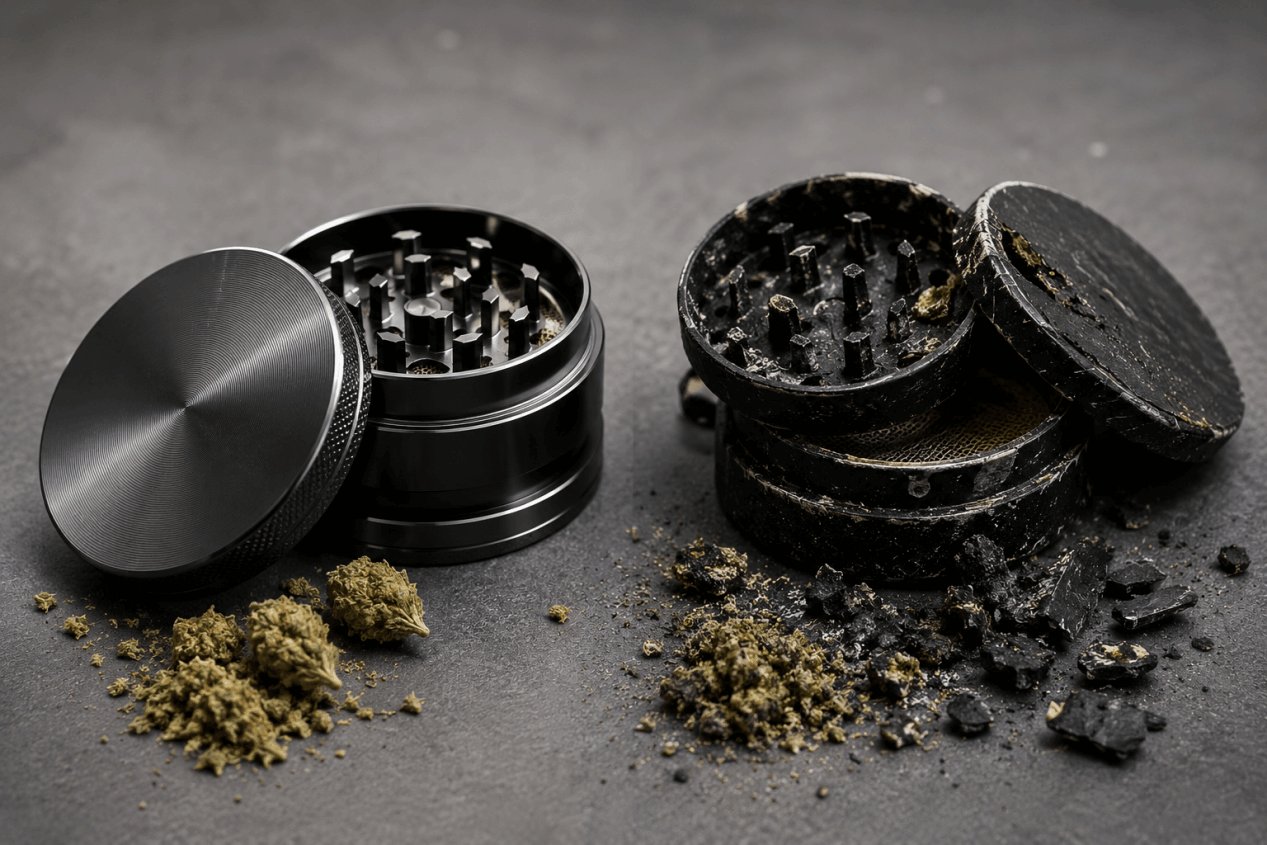
The herb grinder market has grown into a focused area of the smoking accessories business. It shows changes in technology and what buyers now want. In these tools, aluminum grinders lead because they offer a good mix of low cost and useful features. Still, even with their wide use, differences in material strength and cutting quality cause big gaps in how well they last over time.
The Popularity of Aluminum Herb Grinders
Aluminum طاحونات الأعشاب win favor for their light weight, low price, and simple production. Their cheap cost lets many people buy them, from those who use them now and then to new folks trying grinding tools. But not every type of aluminum works the same. Weaker alloys often miss the toughness and rust protection of better metals. Makers often add a special finish to stop rust, yet this layer can rub off with regular handling. That leaves bare metal open to damage as time goes by.
Why Cheap Herb Grinders Attract Buyers
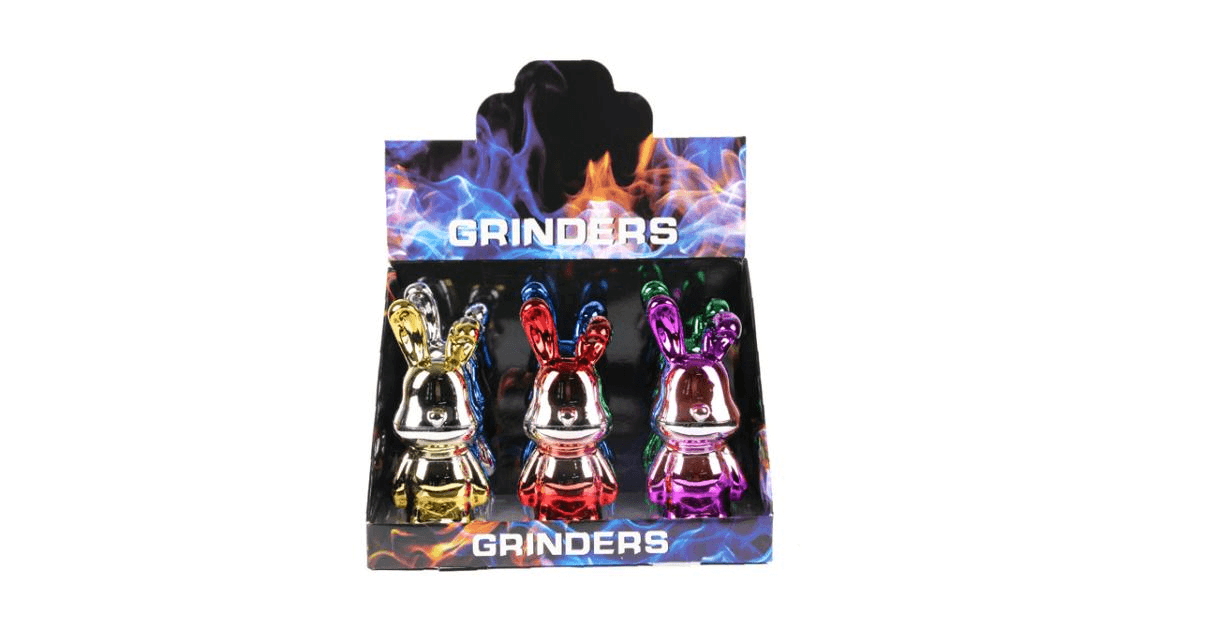
Shifting from how they are made to how people act shows why low-cost herb grinders draw in shoppers. Their small prices pull in starters who wish to try various ways to grind without spending much. Ads often stress looks, like bright colors or smooth styles, more than strong build or how well they work. For lots of people, saving money right away beats worries about lasting power or risks of dirt getting in. And these downsides usually show up soon after daily use starts.
What Do Users Regret After 30 Days with a Cheap Grinder?
After about a month of steady use, many people start to see clear drops in how well the tool works and holds up. The first joy from a bargain buy often changes to annoyance as parts wear out and materials break down.
Decline in Grinding Efficiency
The first hint of trouble is less effective grinding. Teeth that get blunt make uneven bits and rough results. These affect how well vapor or burning happens. Plates that do not line up right add to the mess. They create spots of rub that slow down turns. Buildup of leftover plant bits also adds drag. So, users must push harder for poorer outcomes.
Material Degradation and Contamination Risks
Another key problem after long use is how the materials hold up. Low-quality aluminum can break off or chip when pressed. Tiny bits might mix into the ground stuff, which worries those who want clean results. Plus, paint or color layers can wear out from water or sticky resin. That lets dirt into the inner parts. Weak metals rust fast in damp air or from cleaners. This leads to color changes and poor cleanliness.
Mechanical Failures and Design Flaws
Aside from normal wear, cheap models often face big breakdowns. Weak magnets cannot hold parts shut tight while in use. This causes spills or bumpy grinds. Screw links between sections wear out fast from bad cutting fits. So, they get stuck or twist wrong, making it hard to take apart. Parts that fit too loose shake things up. Ones too tight add extra rub. Both cut down on smooth work.
How Do Cheap vs Premium Grinders Compare?
Looking at low-cost against high-end grinder choices shows how build quality shapes the daily feel and how long they last. Now, let’s check the main differences in materials before we see how they perform.
Material Quality and Construction Differences
Before we dive into how they work, it’s key to look at the materials in different price groups.
Aluminum vs Stainless Steel vs Titanium Builds
Top grinders use strong aluminum from plane parts or stainless steel. These have great toughness and fight rust well. Stainless steel keeps its sharp edges longer with tough jobs. The teeth hold shape even with strong turns. Titanium gives experts a fine mix of strength and light weight. It’s easy to carry but tough for exact work at pro levels.
Impact of Machining Precision on Performance
How well the parts are cut matters a lot for how the grinder runs. Units made with computer tools have even tooth gaps and straight parts that turn easy without sticking. On the other hand, badly cut ones have bumpy spots. These make rub areas and uneven grind feels.
Longevity and Maintenance Requirements
With those build gaps clear, how long they last stands out as the next big split between levels. Let’s explore that next.
Durability Over Time
Fine grinders keep steady work even after years of hard use. They rely on strong stuff and careful putting together. Cheap ones fade quick, often in just months. Teeth go dull, screws wear out, or covers come off. This means buying new ones often, which wipes out the first savings.
Ease of Cleaning and Maintenance Practices
High-end models have exact screw fits that let you take them apart with no hassle for full cleans. Their smooth finished layers stop resin from sticking. So, you clean less often and keep the parts strong through the years.
What Defines an Effective Grinder’s Performance?
To judge how well a grinder works, go past looks. Focus on real measures that affect steady results and ease of use.
Consistency of Grind Size Distribution
Even sizes of particles help burning work better. It gives steady heat when you smoke or use vapor tools. Bumpy grinds make hot spots. These waste the stuff and give uneven strength in each batch.
Airflow, Resistance, and Ergonomic Factors
Easy turning shows good shape in teeth gaps and part fits. Handy shapes also make holding comfy for repeated twists. This helps pros who handle big amounts often.
What Should Professionals Consider When Choosing the Best Herb Grinder?
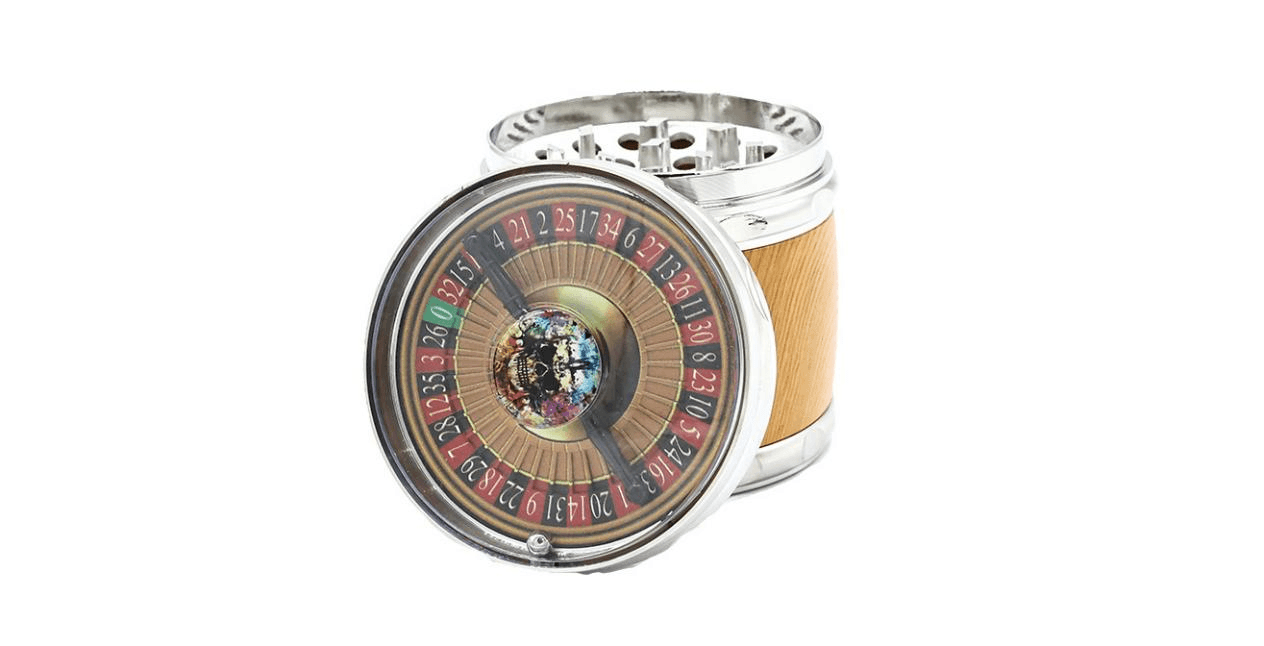
Picking the top herb grinder means weighing tech details against real daily needs. Don’t just chase style or ad promises. Let’s see what matters most.
Assessing Material Authenticity and Build Standards
Experts should check maker info sheets on metal types or cutting steps. Brands that share clear proofs show they care about quality in the smoking tools world. This marks real trust for those in the know.
Balancing Cost Against Long-Term Value
Though top models cost more at first, they last longer with little upkeep. When you add up all costs over time, including new buys, premium ones save money compared to swapping cheap ones many times.
Recognizing Red Flags Before Purchase
Spotting warning signs early stops bad buys down the line. Here’s how to watch for them.
Indicators of Substandard Manufacturing Quality
Things you can see, like bumpy edges, teeth not spaced right, or uneven shines, point to weak cutting work. These are signs of cheap mass making without good checks.
Misleading Marketing Claims
Be careful with vague words like “aircraft aluminum.” Some makers use them without real proof from plane rules.
How Do Professionals Approach Grinder Investment Strategy?
From a pro view, focus on real use over fancy looks when picking tools to keep.
Prioritizing Functionality Over Aesthetics
Real work comes first, not pretty covers. The true worth is in how well it holds up, not short-lived style that wears off.
Building a Toolkit for Consistent Results
Pros gain from sets of strong tools that keep steady work under heavy loads. This way, every use hits the quality mark, no matter how long or often.
BELLA-420 Smoking Accessories Manufacturer Company: A Reliable Supplier in Precision Grinder Production
BELLA-420 Smoking Accessories Manufacturer Company shines as a solid source for strong herb grinders. They suit fans and pros who want tools that last. The firm blends top computer cutting tech with strict checks to ensure parts line up just right. Its line covers aluminum, stainless steel, and titanium types made for tough daily use. They also keep a good feel in your hand during work. BELLA-420’s focus on top quality makes it a go-to in worldwide smoking tool markets. There, steady work builds a good name.
استنتاج
The split between low-cost and high-end grinder types shows how choices affect joy in use over time. Basic ones might fill a quick need, but they often bring problems like dirt risks or breaks after short runs. Pros see that strong materials plus exact builds give better work in all areas. This covers even grind sizes to easy handling. So, top tools become must-haves in any pro set aimed at steady results on a big scale.
الأسئلة الشائعة
Why do anodized coatings on aluminum grinders fade?
Anodized layers protect against corrosion but gradually erode through repeated friction during grinding cycles or exposure to cleaning solvents that compromise surface integrity over time.
Are stainless steel grinders better than titanium ones?
Stainless steel maintains sharper teeth longer under heavy-duty conditions; however, titanium offers comparable durability at reduced weight—making it ideal where portability matters most without sacrificing strength balance.
What maintenance routine extends grinder lifespan?
Regular disassembly followed by thorough cleaning using soft brushes prevents residue accumulation; applying light lubrication on threads ensures smooth reassembly while minimizing wear from repeated motion stresses.
منتجات ذات صلة
مقالات ذات صلة
استثمار ساخن في كل
مناطق العالم
مناطق العالم


